Total Hip Replacement in Turkey
End debilitating hip pain with total hip replacement surgery in Turkey — world-class surgeons, advanced minimally invasive techniques, and premium implants at costs 60–70% below UK or US prices.
Hip arthritis can progress to a point where even short walks become exhausting and sleep is broken by unrelenting pain. Total hip replacement (THR) — also known as total hip arthroplasty — is a transformative procedure that replaces the damaged joint with a durable prosthesis, restoring smooth, pain-free movement. Turkey has become one of the world's most sought-after destinations for hip replacement surgery, offering internationally accredited hospitals, experienced orthopedic surgeons, and all-inclusive costs that represent a fraction of those in Western countries.
What is Total Hip Replacement?
Total hip replacement is a surgical procedure in which the arthritic femoral head (ball) and the damaged acetabulum (socket) are removed and replaced with an artificial joint. The prosthesis typically consists of a metal shell fitted into the pelvis, a ceramic or metal femoral head, and a high-grade polyethylene or ceramic liner that provides the articulating surface. Modern cementless implants are designed to encourage bone ingrowth for a stable, long-lasting fixation; cemented options remain appropriate for certain bone quality profiles. The goal is to eliminate pain, restore the normal biomechanics of the hip, and return patients to an active life.
How is it Performed?
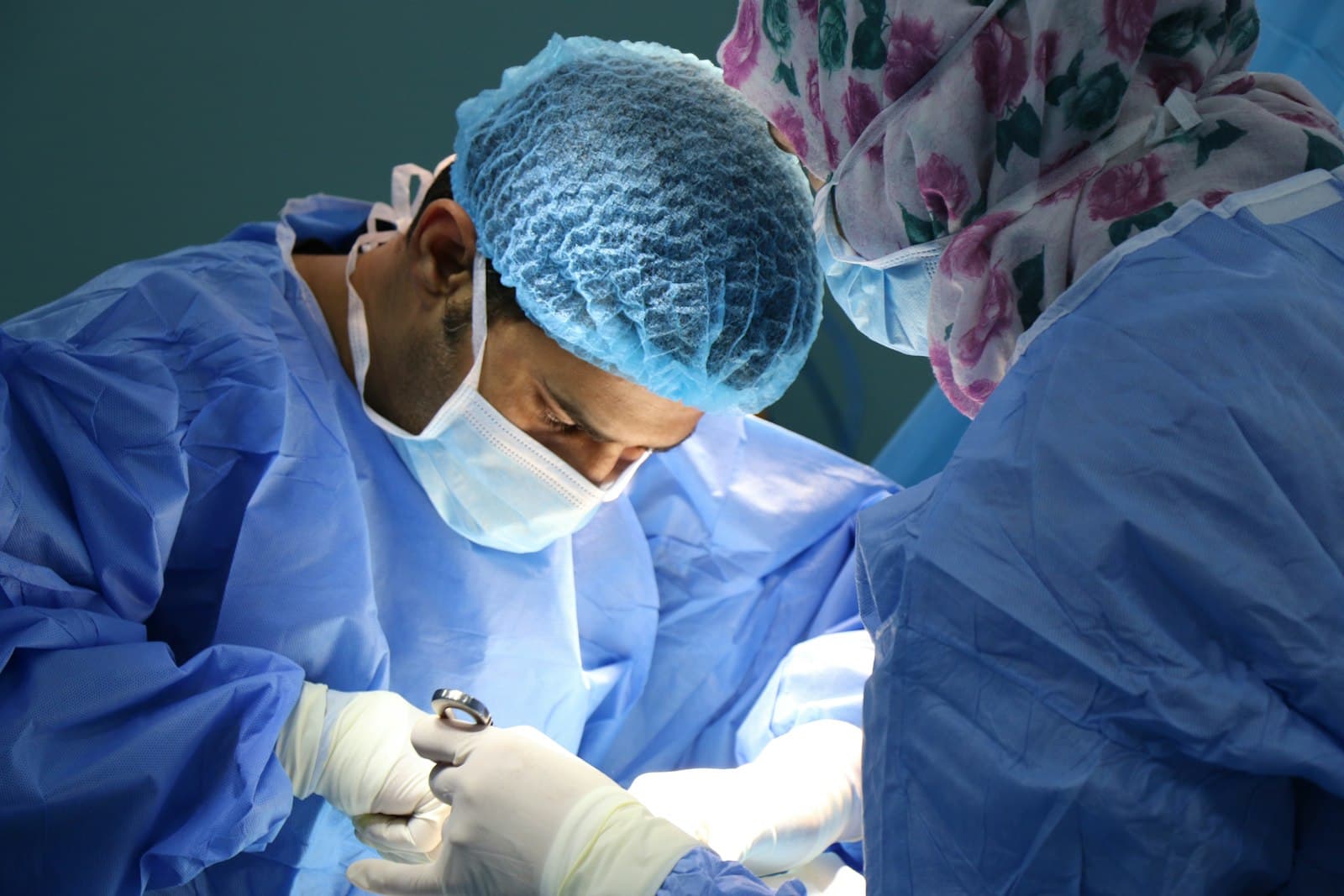
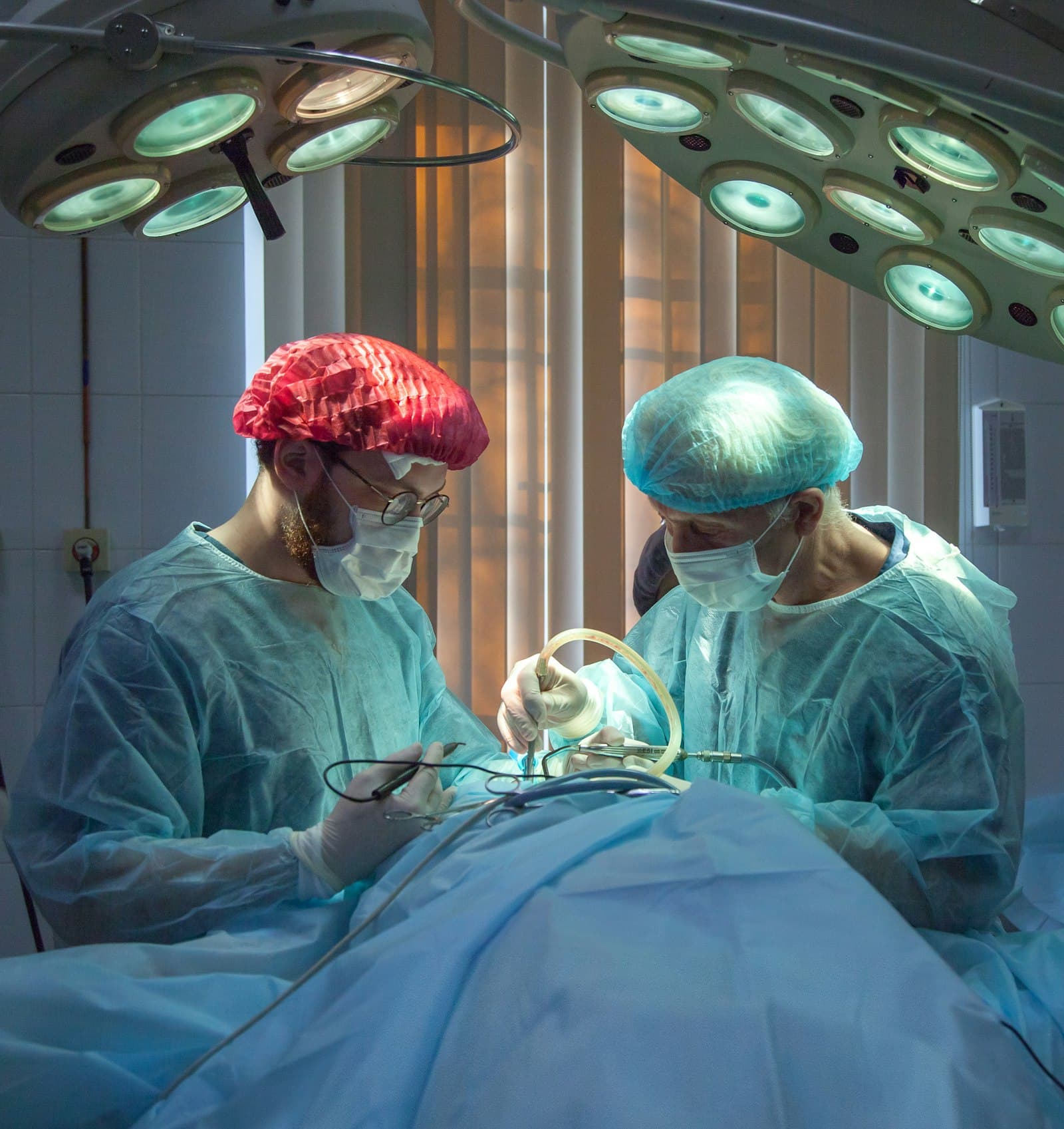
Surgery is performed under spinal or general anaesthesia and takes approximately 60–90 minutes. The surgeon approaches the hip through one of several established approaches — posterior, anterolateral, or direct anterior. The direct anterior approach, increasingly preferred at leading Turkish centres, allows the surgeon to work between natural muscle planes rather than detaching muscles, which translates to less blood loss, reduced dislocation risk, and a faster return to walking. The diseased bone and cartilage are excised, the socket is prepared and fitted with the acetabular component, and the femoral stem is inserted and fixed. The wound is closed in layers and dressings applied. Many hospitals offer blood conservation techniques — including cell salvage and tranexamic acid — to minimise the need for transfusion.
Who is a Candidate?
Patients who benefit most from THR are those with severe hip pain at rest or during activity due to osteoarthritis, rheumatoid arthritis, avascular necrosis (AVN), or hip dysplasia; significant functional limitation despite adequate conservative management; and acceptable general health for anaesthesia and surgery. Younger patients with high activity demands may also be candidates, especially with modern bearing surfaces designed for durability. Patients with fractures of the femoral neck that are not amenable to internal fixation may undergo hemiarthroplasty or THR as appropriate.
Recovery & Aftercare
Patients are mobilised with the support of a physiotherapist on the day of or the day after surgery. The hospital stay is typically three to four days. Patients are fitted with compression stockings and prescribed anticoagulant medication to reduce the risk of deep vein thrombosis (DVT). Hip precautions — avoiding deep bending and crossing of the legs — are taught before discharge. Most patients walk unaided by six weeks and return to driving and light work by eight to twelve weeks. By three to six months, the vast majority report substantial improvement in pain, walking distance, and overall quality of life. Turkare organises in-hospital physiotherapy, an outpatient rehabilitation schedule before departure, and follow-up teleconsultations with the surgical team once you are home.
Why Turkey & Turkare?
Turkey's leading orthopedic hospitals invest in cutting-edge operating theatre technology, including navigation systems and high-precision instrumentation that optimise implant positioning. Many Turkish hip surgeons have trained internationally and perform high volumes of THR, which directly correlates with lower complication rates and better outcomes. Patients choosing Turkey typically wait only two to four weeks from initial inquiry to surgery — compared to months in public health systems. Turkare's role is to make that process seamless: from verifying surgeon credentials and matching you to the right specialist, to arranging accommodation, ground transport, and multilingual medical support throughout your stay.
Frequently asked questions
How does the cost of total hip replacement in Turkey compare with other countries?
All-inclusive total hip replacement in Turkey typically costs between $7,000 and $14,000, covering surgeon fees, hospital admission, anaesthesia, the implant itself, and physiotherapy. In the United States the same procedure costs $30,000–$45,000; in the United Kingdom £12,000–£18,000 privately; and in Germany or France €15,000–€25,000. Turkey achieves these prices through lower structural costs, not through any reduction in the quality of surgeons, equipment, or implants.
How long do I need to stay in Turkey for hip replacement surgery?
The recommended minimum stay is 10–14 days. After three to four days in hospital, you will attend daily or alternate-day physiotherapy sessions for the remaining time. Your surgeon will assess your wound, gait, and range of motion before issuing clearance to fly. Turkare monitors your progress daily and communicates directly with your surgical team to ensure your discharge is safe and your rehabilitation plan is set before you travel home.
What implant options are available for hip replacement in Turkey?
Turkish hospitals work with the full range of globally recognised hip implant systems including Zimmer Biomet, Stryker, Smith & Nephew, DePuy Synthes, and Exactech. Bearing surface options — metal-on-polyethylene, ceramic-on-ceramic, and ceramic-on-polyethylene — are discussed with the surgeon based on your age, activity level, and anatomy. All implants used at leading Turkish hospitals carry CE marking and relevant international regulatory approvals. Turkare confirms implant selection in writing before you travel.
What hip precautions will I need to follow after surgery?
Hip precautions depend on the surgical approach used. With a posterior approach, patients are typically advised to avoid bending the hip beyond 90 degrees, crossing the legs, and rotating the foot inward for six to eight weeks to reduce dislocation risk. The direct anterior approach carries a lower dislocation risk and may involve fewer restrictions. Your surgical team will provide a detailed, personalised precaution sheet. Turkare arranges a pre-departure briefing session with the physiotherapist to make sure you are confident before flying home.
How long does a hip prosthesis last, and can it be revised if needed?
Modern cementless hip implants have published survival rates above 90–95% at 15–20 years in large registry studies. Factors influencing longevity include activity level, body weight, implant design, and surgical technique. If a prosthesis does wear or loosen over time, revision hip replacement is possible — a more complex procedure in which the components are removed and replaced. Turkey has experienced revision surgery teams, and Turkare can assist in arranging revision care should it ever be needed in the future.
Get a written quote for this procedure
One coordinator, one price, start to finish.