ACL Reconstruction in Turkey
Return to sport and an active life after ACL reconstruction in Turkey — experienced sports medicine surgeons, arthroscopic precision, and comprehensive rehabilitation programmes at a fraction of Western costs.
An anterior cruciate ligament (ACL) tear is one of the most common and significant sports injuries, affecting athletes and active individuals of all levels. Left untreated, ACL deficiency leads to knee instability, repeated giving-way episodes, associated cartilage damage, and progressive joint deterioration. ACL reconstruction in Turkey offers a high-quality, cost-effective pathway to full recovery, backed by experienced sports medicine and orthopedic surgeons, state-of-the-art arthroscopic technology, and structured rehabilitation programmes.
What is ACL Reconstruction?
The anterior cruciate ligament is a rope-like structure inside the knee that prevents the tibia (shinbone) from sliding forward on the femur (thighbone) and controls rotational stability. Unlike many ligaments, a torn ACL does not heal on its own due to poor blood supply within the joint. Reconstruction involves replacing the torn ligament with a graft — tissue taken from the patient's own body (autograft) or from a donor (allograft) — which over time biologically integrates into the bone tunnels drilled to anchor it, restoring ligamentous function and knee stability.
How is it Performed?
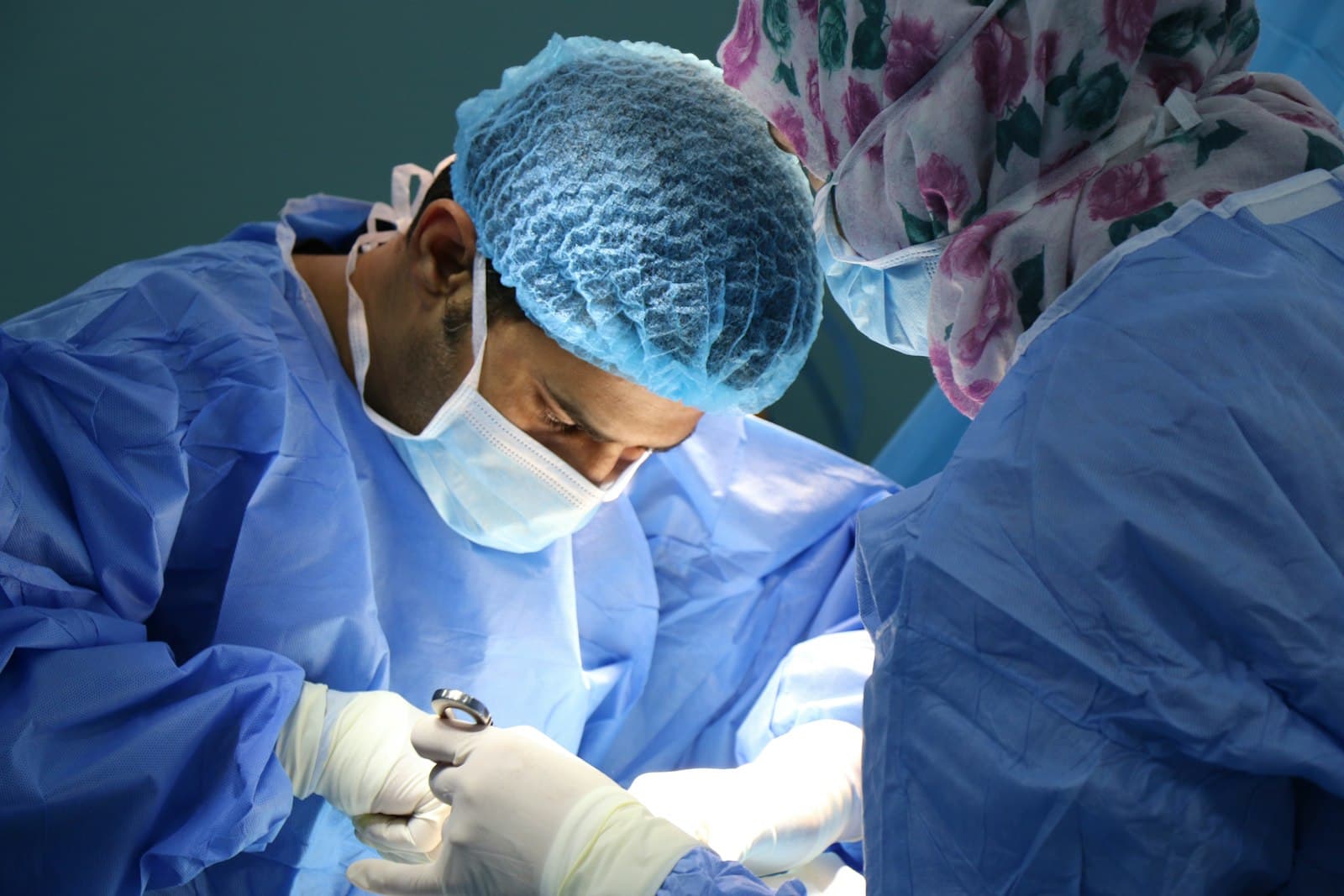
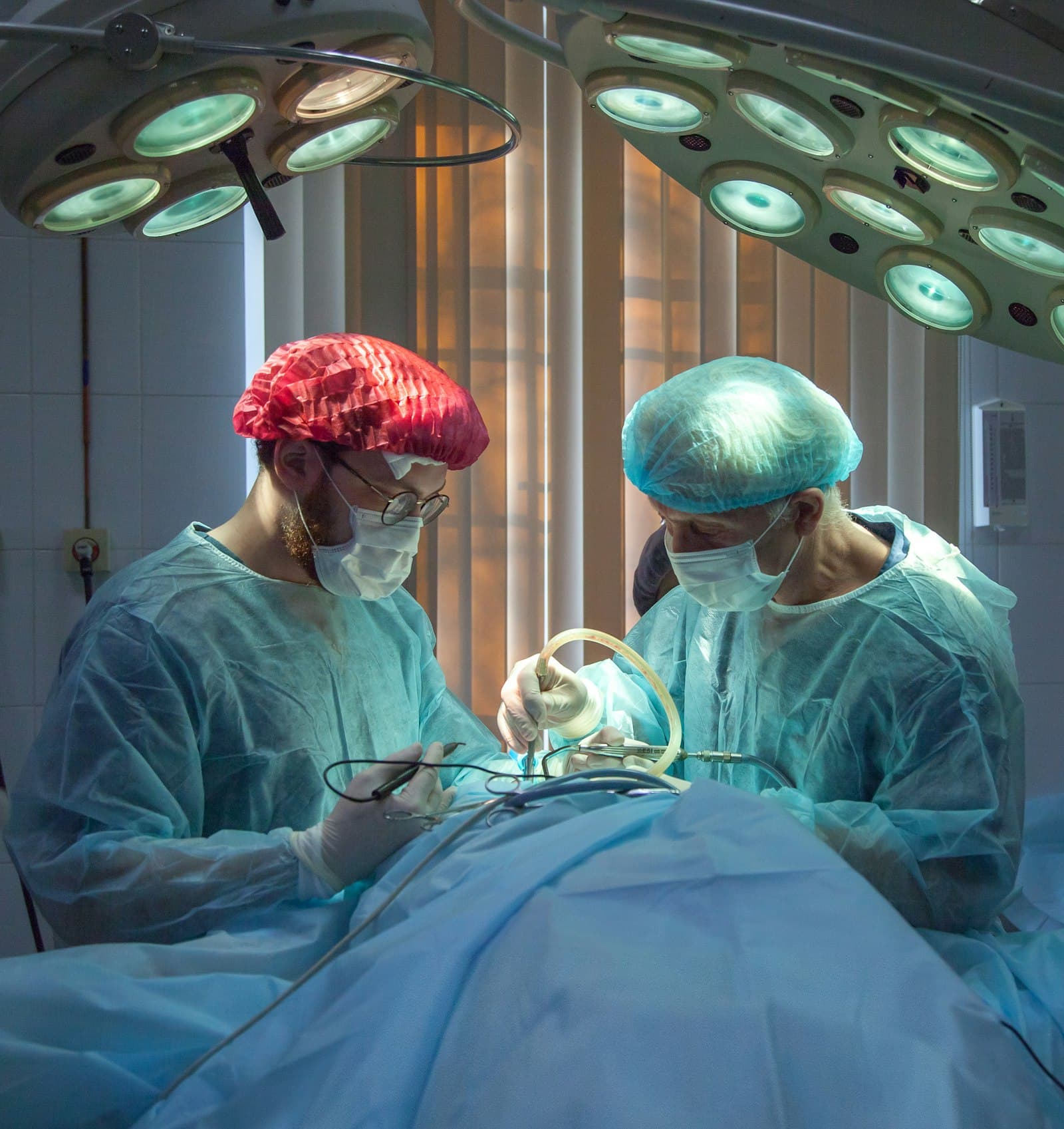
ACL reconstruction is performed arthroscopically — through small portals rather than a large open incision. The surgeon uses a camera (arthroscope) and miniaturised instruments to work inside the joint with minimal disruption to surrounding structures. The most commonly used graft sources are the hamstring tendons (gracilis and semitendinosus) or the patellar tendon (central third with bone plugs), chosen based on patient age, sport, anatomy, and surgeon preference. Bone tunnels are drilled in precise anatomical positions in the femur and tibia. The graft is passed through these tunnels and secured with fixation devices — interference screws, endobuttons, or a combination — to hold the graft under appropriate tension while biological integration occurs. The procedure typically takes 60–90 minutes under spinal or general anaesthesia.
Who is a Candidate?
ACL reconstruction is recommended for patients with a confirmed complete ACL tear (diagnosed by clinical examination and MRI) who wish to return to pivoting or cutting sports; experience symptomatic instability that limits daily activities; have associated meniscal tears that require concurrent repair; or are young and active with a high risk of secondary cartilage injury if the knee remains unstable. Conservative management — physiotherapy and activity modification — may be appropriate for older or less active patients with isolated ACL tears; the treating surgeon will guide this decision. Turkare arranges pre-operative consultations including MRI review so that a clear surgical plan is established before you travel.
Recovery & Aftercare
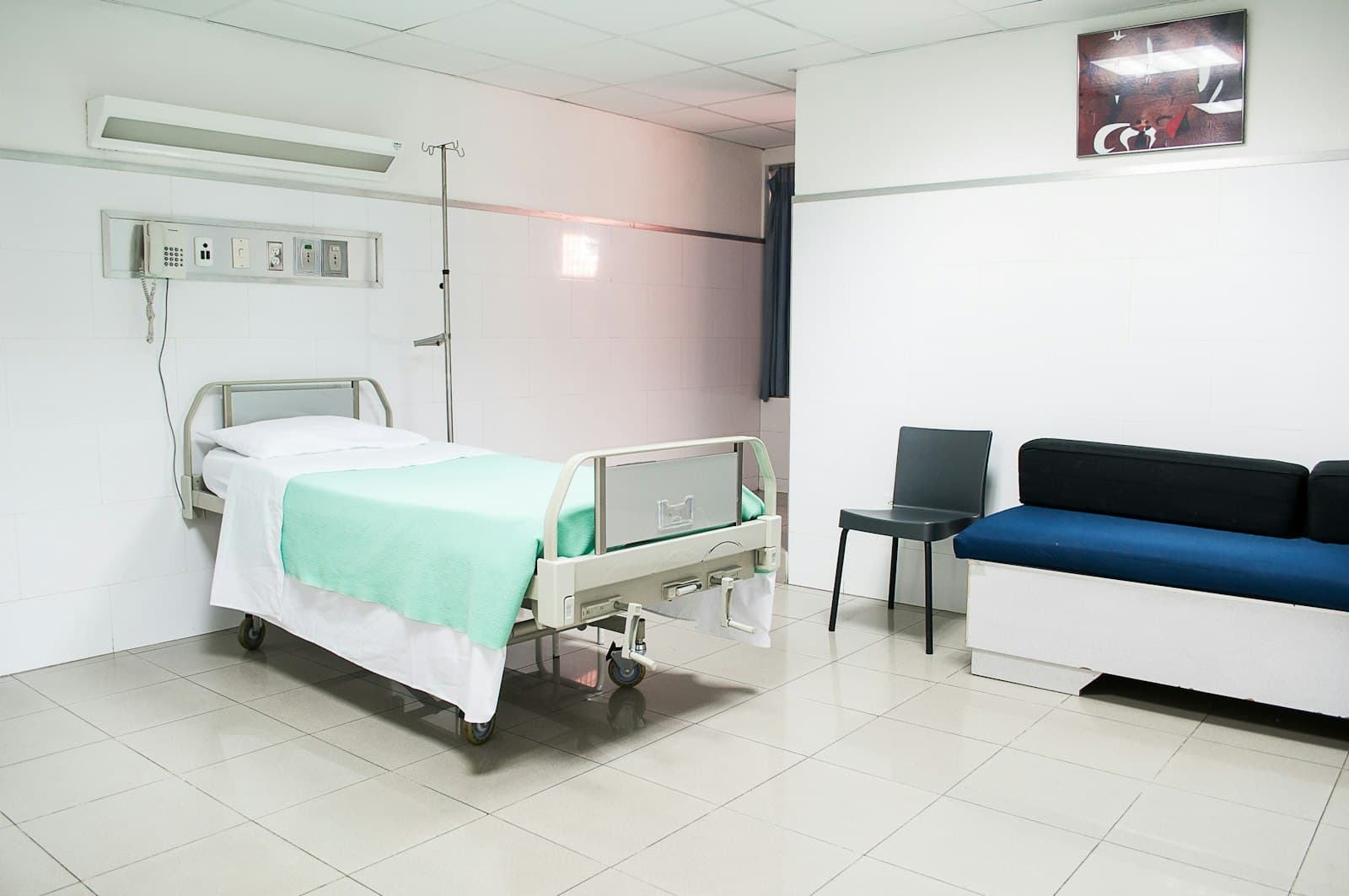
The rehabilitation programme after ACL reconstruction is as important as the surgery itself. A structured protocol progresses through distinct phases: immediate post-operative care (pain control, swelling reduction, early range of motion), neuromuscular retraining, strength building, sport-specific conditioning, and finally return to play — a process that typically takes six to nine months for competitive athletes. In Turkey, Turkare arranges inpatient and outpatient physiotherapy sessions, and provides a detailed rehabilitation protocol for your physiotherapist at home to follow on your return. Most patients can walk without crutches within two to three weeks and return to light physical activity by six to eight weeks. Hospital stay is typically one to two nights.
Why Turkey & Turkare?
Turkey's sports medicine and knee surgery community has grown rapidly in sophistication, driven partly by the country's significant sports culture and partly by investment in orthopedic subspecialisation. Leading Turkish surgeons performing ACL reconstruction are fellowship-trained in sports medicine and arthroscopy, many having trained at recognised European and American sports medicine programmes. The all-inclusive cost of ACL reconstruction in Turkey — between $4,000 and $8,000 — compares extremely favourably with private costs of $15,000–$25,000 in the United States or £8,000–£12,000 in the United Kingdom. Turkare coordinates every element of your care: MRI review, surgeon matching, surgical scheduling, accommodation, and a comprehensive rehabilitation handover plan for when you return home.
Frequently asked questions
How does the cost of ACL reconstruction in Turkey compare with the UK and USA?
ACL reconstruction in Turkey costs between $4,000 and $8,000 all-inclusive — covering surgeon fees, anaesthesia, the hospital stay, graft materials, fixation devices, and initial physiotherapy. In the United States, the out-of-pocket cost is typically $15,000–$25,000; in the United Kingdom privately £8,000–£12,000; and in Germany or France €8,000–€14,000. Turkey offers the same surgical standards and implant quality at a fraction of the cost, primarily because operating and hospital overhead costs are structurally lower.
Which graft type is best for ACL reconstruction, and who decides?
The most commonly used grafts are the hamstring tendon autograft (gracilis and semitendinosus) and the bone-patellar tendon-bone (BPTB) autograft. Hamstring grafts cause less donor-site morbidity and are preferred for many patients; BPTB grafts offer excellent mechanical strength and bone-to-bone healing, making them a popular choice for high-demand athletes. Allografts (donor tissue) may be used in revision cases or when autograft tissue is insufficient. The treating surgeon will recommend the most appropriate graft based on your anatomy, sporting demands, previous surgery, and your preferences — a discussion that Turkare facilitates during the pre-operative consultation.
Can I have concurrent meniscal repair at the same time as ACL reconstruction?
Yes — and it is often preferable to address meniscal tears at the same surgical sitting as ACL reconstruction when the tear is reparable. The arthroscopic approach used for ACL reconstruction allows the surgeon to inspect the entire joint, identify meniscal pathology, and perform repair or partial meniscectomy as appropriate without additional incisions or anaesthetic episodes. Turkare ensures that your pre-operative MRI is reviewed by the surgeon so that any concurrent pathology — meniscal tears, cartilage lesions, or other ligament injuries — is identified and planned for before surgery.
How long will I need to stay in Turkey after ACL surgery?
The typical stay for ACL reconstruction is 7–10 days. After one to two nights in hospital, patients attend daily physiotherapy sessions for five to seven days to ensure safe early recovery, adequate range of motion, and confident crutch-free walking before departure. Turkare provides a comprehensive rehabilitation protocol to hand to your physiotherapist at home, and arranges teleconsultations with the surgical team at two weeks, six weeks, and three months post-operatively to monitor progress and answer questions remotely.
When can I return to sport after ACL reconstruction?
Return to competitive sport typically requires six to nine months following ACL reconstruction for most athletes. This timeline is determined by biological graft maturation (ligamentisation), restoration of full strength and neuromuscular control, and passing objective functional criteria — not just elapsed time. Early return before nine months is associated with a significantly higher risk of re-rupture. Turkare provides a rehabilitation roadmap tied to objective milestones, and your Turkish surgical team will advise on return-to-sport clearance based on your specific progress at the three- and six-month teleconsultation reviews.
Get a written quote for this procedure
One coordinator, one price, start to finish.