Robotic-Assisted Joint Replacement in Turkey
Experience the next generation of joint replacement surgery with robotic assistance in Turkey — sub-millimetre implant precision, faster recovery, and long-term outcomes that outperform conventional techniques.
Joint replacement surgery has been revolutionised by robotic-assisted technology, and Turkey's leading orthopedic centres have invested heavily in these platforms to deliver outcomes that consistently outperform conventional manual techniques. For international patients who want the best available technology combined with significant cost savings, robotic-assisted joint replacement in Turkey — arranged through Turkare — represents a compelling and medically sound choice.
What is Robotic-Assisted Joint Replacement?
Robotic-assisted joint replacement uses a surgeon-controlled robotic arm system — most commonly the Stryker Mako or Zimmer Biomet ROSA platform — to guide implant positioning and bone preparation with an accuracy that is not achievable by hand alone. The robot does not operate independently; the surgeon remains fully in control at every moment. The robotic arm simply enforces a pre-planned safe zone, preventing any cut or movement that falls outside the surgical plan. The result is implant placement accurate to within one degree of rotation and one millimetre of position — precision that has been shown in clinical studies to reduce implant wear, improve alignment, and lower revision rates.
How is it Performed?
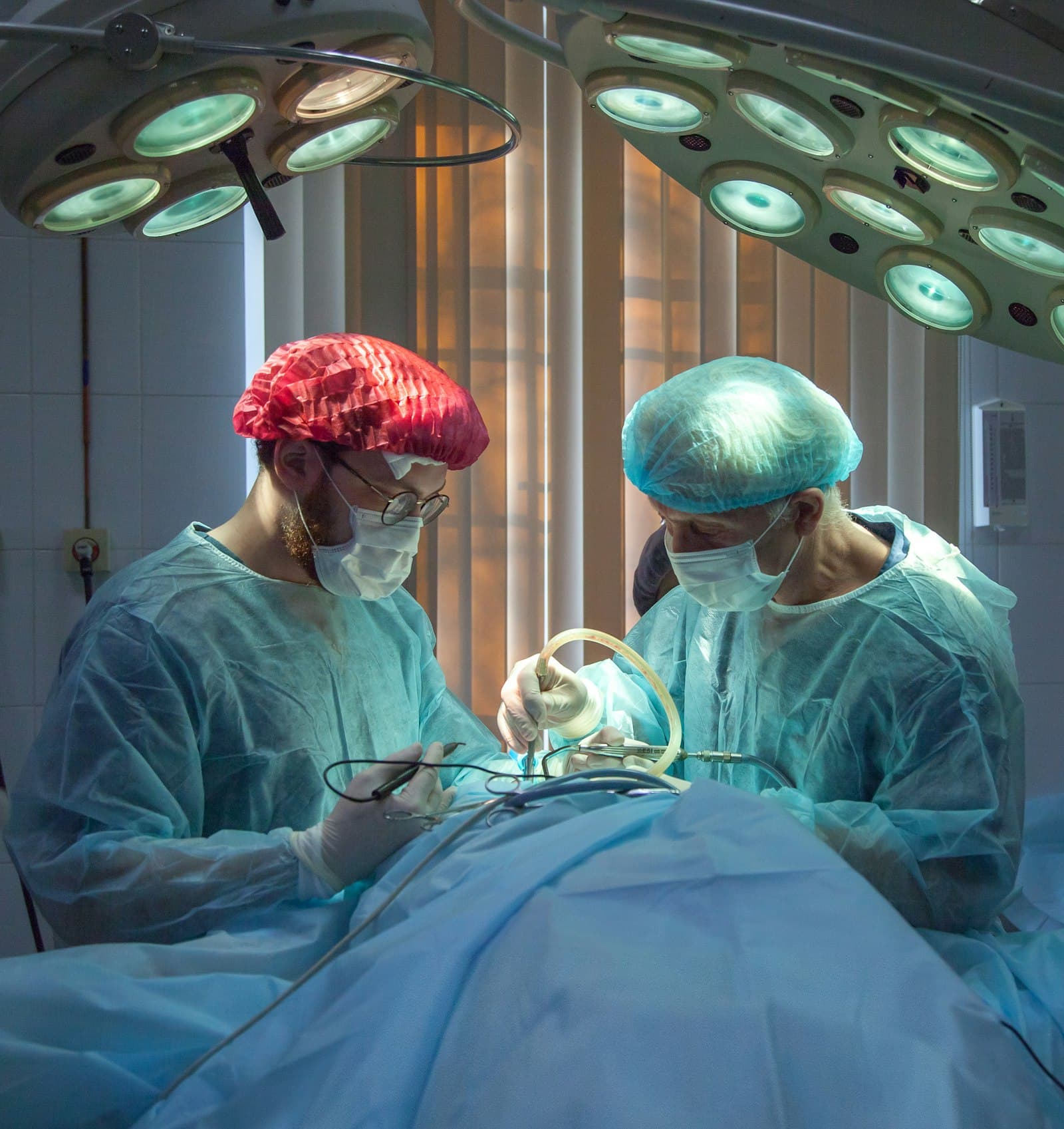
The process begins before the patient enters the operating theatre. CT scan data is uploaded into the robotic planning software, creating a three-dimensional virtual model of the patient's specific joint anatomy. The surgeon uses this model to select the optimal implant size and plan the exact angles and depths of bone resection. On the day of surgery, the patient is anaesthetised and the robotic system is registered to anatomical landmarks in real time. As the surgeon performs the procedure, the robotic arm provides haptic feedback — a physical resistance — if the instruments deviate from the planned resection boundaries. This active constraint prevents over- or under-resection of bone. The implant is then placed exactly as planned. The operative time is comparable to conventional surgery, typically 75–120 minutes.
Who is a Candidate?
Robotic-assisted joint replacement is appropriate for most patients undergoing primary or revision total knee or hip replacement who have sufficient CT-quality bone stock for pre-operative planning. It is particularly beneficial for patients with complex anatomy, significant deformity, prior knee or hip surgery, or high activity expectations from a younger age. Patients who have specific concerns about implant longevity — or who simply want the most precise surgery available — are ideal candidates. A pre-operative consultation with the surgeon, arranged by Turkare, will confirm suitability and explain the planned robotic technique.
Recovery & Aftercare
Because robotic-assisted techniques preserve more healthy bone and cause less collateral soft-tissue disruption, patients typically experience a faster early recovery compared to conventional surgery. Hospital stay is usually two to four days. Physiotherapy begins on the first postoperative day, with many patients achieving greater early range of motion than after conventional arthroplasty. Swelling resolves faster in most cases. Most patients are walking unaided by four to six weeks and report satisfaction with joint function by three months. Turkare arranges a structured rehabilitation programme in Turkey before departure and coordinates with rehabilitation providers in your home country for continuity of care. Teleconsultations with your surgical team are scheduled at key milestones after you return home.
Why Turkey & Turkare?
Access to robotic surgery platforms like Mako and ROSA in the United Kingdom or United States typically requires either long waiting lists or substantial additional expense. In Turkey, these platforms are available at leading hospitals with no waiting list, at a total cost that is still 50–60 % below comparable Western packages. Turkish surgeons operating these systems perform high annual volumes — a critical factor in robotic surgical outcomes — and many have trained on these platforms at European centres of excellence. Turkare identifies the specific hospitals and surgeons with verified robotic surgery experience, ensuring that your care is delivered by a team that has performed hundreds of robotic procedures rather than one still climbing the learning curve.
Frequently asked questions
How much more does robotic joint replacement cost compared to conventional surgery in Turkey?
In Turkey, robotic-assisted joint replacement typically adds $1,000–$3,000 to the all-inclusive cost compared to conventional joint replacement, reflecting the capital cost of the robotic platform and the specialised disposable instruments. Total costs range from $9,000 to $18,000 depending on the joint, implant selection, hospital tier, and length of stay. This remains dramatically lower than robotic joint replacement in the United States ($45,000–$65,000) or the United Kingdom (£20,000–£30,000 privately). Turkare provides a fully itemised quote before you commit.
Is robotic surgery actually safer and more effective than conventional joint replacement?
Published clinical evidence, including data from large registries and randomised controlled trials, shows that robotic-assisted joint replacement achieves superior implant alignment accuracy compared to conventional manual techniques. Better alignment is associated with reduced implant wear, lower risk of early revision surgery, and improved functional outcomes. A 2023 meta-analysis of over 20,000 robotic knee replacements found a statistically significant reduction in revision rates at five years compared to conventional TKR. While the technology does not eliminate all surgical risks, it reduces those that are most directly linked to implant mechanics and positioning.
Which robotic platforms are available in Turkey, and how do I know the surgeon is experienced?
The most widely installed platforms in Turkey's leading hospitals are the Stryker Mako (used for knee and hip replacement) and the Zimmer Biomet ROSA (primarily knee). Turkare verifies each surgeon's procedural volume — specifically the number of robotic cases performed annually — and confirms fellowship training background before recommending a surgeon to you. We only refer to surgeons who exceed internationally recognised volume thresholds for robotic joint replacement.
Will I need a CT scan before robotic surgery, and can it be done in my home country?
Yes — robotic-assisted joint replacement requires a pre-operative CT scan of the affected joint to generate the three-dimensional planning model. In most cases, this CT scan can be performed in your home country and the imaging files uploaded to the robotic planning software digitally. Turkare provides the exact CT protocol specifications to your local imaging centre so that the scan is compatible with the robotic system used in Turkey. This eliminates the need to travel to Turkey for the planning scan, saving time and cost.
Are the results of robotic joint replacement durable over the long term?
Long-term durability data for robotic joint replacement is encouraging. Registry data from Australia, the United Kingdom, and Scandinavia show consistently lower revision rates for robotically implanted joints at five and ten years compared to conventionally implanted devices, particularly in younger, more active patient groups. The primary driver of this improved durability is superior implant alignment and more precise bone preparation, which reduces wear on the bearing surfaces. The implants used in robotic procedures are the same proven designs used in conventional surgery — the robotics improve how they are placed, not what they are made of.
Get a written quote for this procedure
One coordinator, one price, start to finish.