Spinal Fusion Surgery in Turkey
Advanced spinal fusion procedures in Turkey restore stability, relieve chronic back pain, and correct deformity — performed by fellowship-trained spine surgeons at internationally accredited hospitals.
Chronic spinal instability, advanced degenerative disc disease, spondylolisthesis, and spinal deformity are conditions that can severely impair mobility and quality of life. When non-surgical treatments no longer provide relief, spinal fusion offers a definitive solution. Turkish spine centres deliver this complex surgery using the latest implant systems and minimally invasive techniques, at costs that make treatment accessible for international patients.
What is Spinal Fusion?
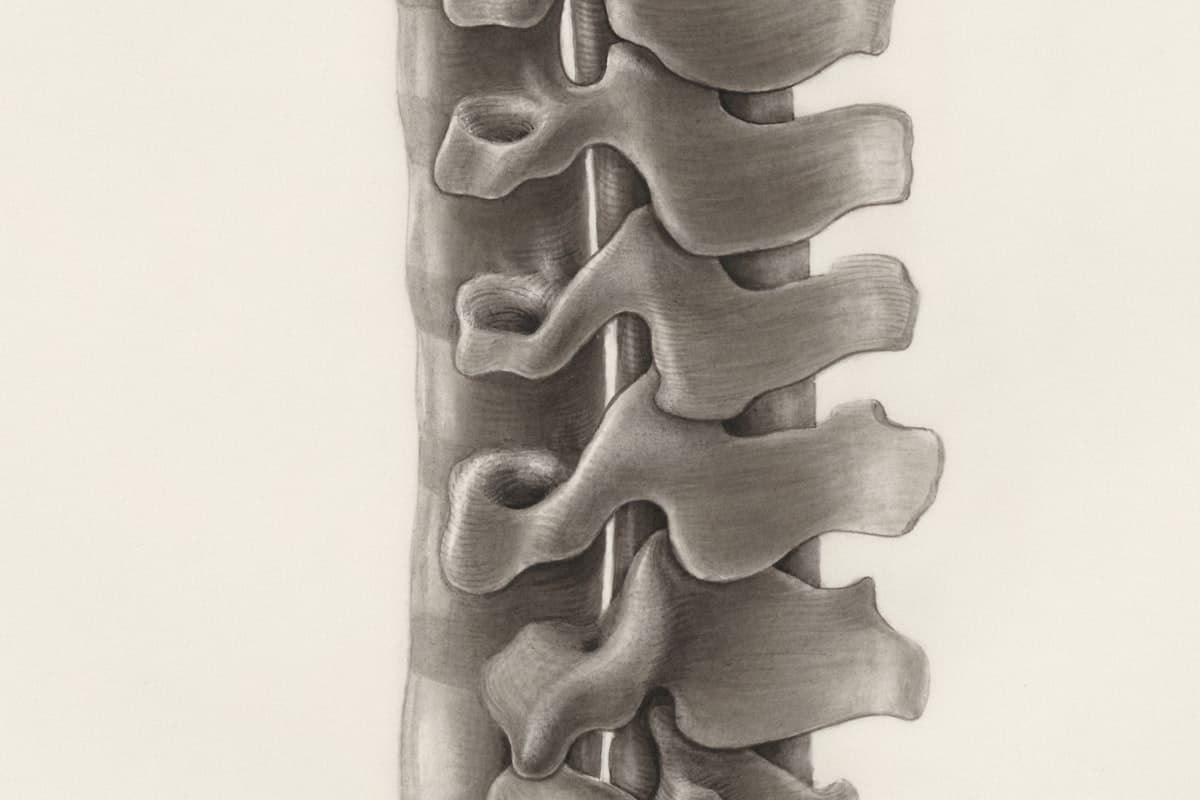
Spinal fusion is a surgical procedure that permanently connects two or more vertebrae, eliminating motion between them. Bone graft material — harvested from the patient's pelvis, a donor bank, or synthesised biologically — is placed between the vertebrae. Metal implants (pedicle screws, rods, interbody cages) hold the vertebrae in correct alignment while the bone graft matures into solid bone, typically over three to six months. The goal is to eliminate the pathological movement that causes pain and to decompress any compressed neural structures.
How is it Performed?
The approach depends on the spinal level and pathology. Posterior lumbar interbody fusion (PLIF) and transforaminal lumbar interbody fusion (TLIF) are the most common approaches for lumbar pathology, accessing the spine from the back. Anterior lumbar interbody fusion (ALIF) approaches from the front for better disc height restoration. Minimally invasive TLIF (MIS-TLIF) uses percutaneous pedicle screw fixation and a small tube retractor, significantly reducing muscle damage and blood loss. Cervical spine fusions are performed through an anterior cervical discectomy and fusion (ACDF) approach. All procedures use intraoperative neuromonitoring and fluoroscopic or navigation-guided implant placement.
Who Needs Spinal Fusion?
Spinal fusion is indicated for spondylolisthesis (vertebral slippage), degenerative disc disease with mechanical back pain unresponsive to conservative care, recurrent disc herniation, spinal stenosis with instability, isthmic spondylolysis, post-laminectomy instability, and spinal deformity including scoliosis and kyphosis in adults and adolescents.
Recovery & Aftercare
Hospital stay is typically two to four days. A rigid or semi-rigid brace is worn for four to eight weeks. Walking begins on day one post-surgery; driving is restricted for four to six weeks. Formal physiotherapy commences at six weeks, focusing on core strengthening and functional restoration. Fusion maturity is confirmed by CT scan at three to six months. Full return to moderate physical activity occurs at six to twelve months depending on the number of levels fused and patient characteristics. Turkare arranges post-discharge physiotherapy coordination and follow-up imaging review.
Risks & Success Rates
Success rates for appropriately selected patients exceed 80 %. Key risks include adjacent segment disease (long-term), pseudarthrosis (incomplete fusion, ~5 %), implant failure, infection (1–3 %), and neurological injury (rare). Modern implant systems and intraoperative navigation have substantially reduced hardware-related complications. Turkish spine centres publish outcomes data benchmarked against major international spine registries.
Why Turkey & Turkare?
Turkish neurosurgical and orthopaedic spine teams include surgeons who completed fellowships at major European and American spine centres. Hospitals carry JCI accreditation and are equipped with O-arm navigation, intraoperative CT, and robot-assisted screw placement (where indicated). All-inclusive surgical packages start at $8,000 for single-level fusions, compared to $30,000–$80,000 in Western Europe and North America. Turkare provides a dedicated case manager, multi-disciplinary pre-operative review, and structured post-operative support.
Frequently asked questions
How long does spinal fusion surgery take?
Single-level fusions typically take two to four hours. Multi-level or deformity correction procedures can take four to eight hours or more.
When can I fly home after spinal fusion?
Most patients can fly home seven to fourteen days after surgery, once the wound has healed and the surgeon confirms neurological stability. Long-haul flights require compression stockings and frequent movement.
Will I need a brace after surgery?
Yes. A lumbar or thoraco-lumbar brace is typically prescribed for four to eight weeks to protect the fusion site during early healing.
Is minimally invasive spinal fusion available in Turkey?
Yes. MIS-TLIF and percutaneous fixation techniques are routinely performed at leading Turkish spine centres, offering less blood loss, shorter hospital stays, and faster recovery.
How do I know if I am a candidate for spinal fusion?
Send your recent MRI/CT scans and clinical history to Turkare. Our neurosurgical consultants will review your imaging and provide a candidacy assessment and personalised treatment recommendation.
Get a written quote for this procedure
One coordinator, one price, start to finish.