Deep Brain Stimulation (DBS) Surgery in Turkey
Deep Brain Stimulation in Turkey delivers life-changing relief from Parkinson's disease, essential tremor, and dystonia — with expert functional neurosurgeons and advanced neuromodulation technology.
Deep Brain Stimulation (DBS) is a transformative neurosurgical procedure that has changed the lives of hundreds of thousands of patients with movement disorders worldwide. By delivering precisely calibrated electrical impulses to targeted brain circuits, DBS can dramatically reduce tremor, rigidity, and motor fluctuations in Parkinson's disease, and provide significant relief in essential tremor and dystonia. Turkey's leading functional neurosurgical teams offer this advanced therapy with the expertise and technology of major international centres.
What is Deep Brain Stimulation?
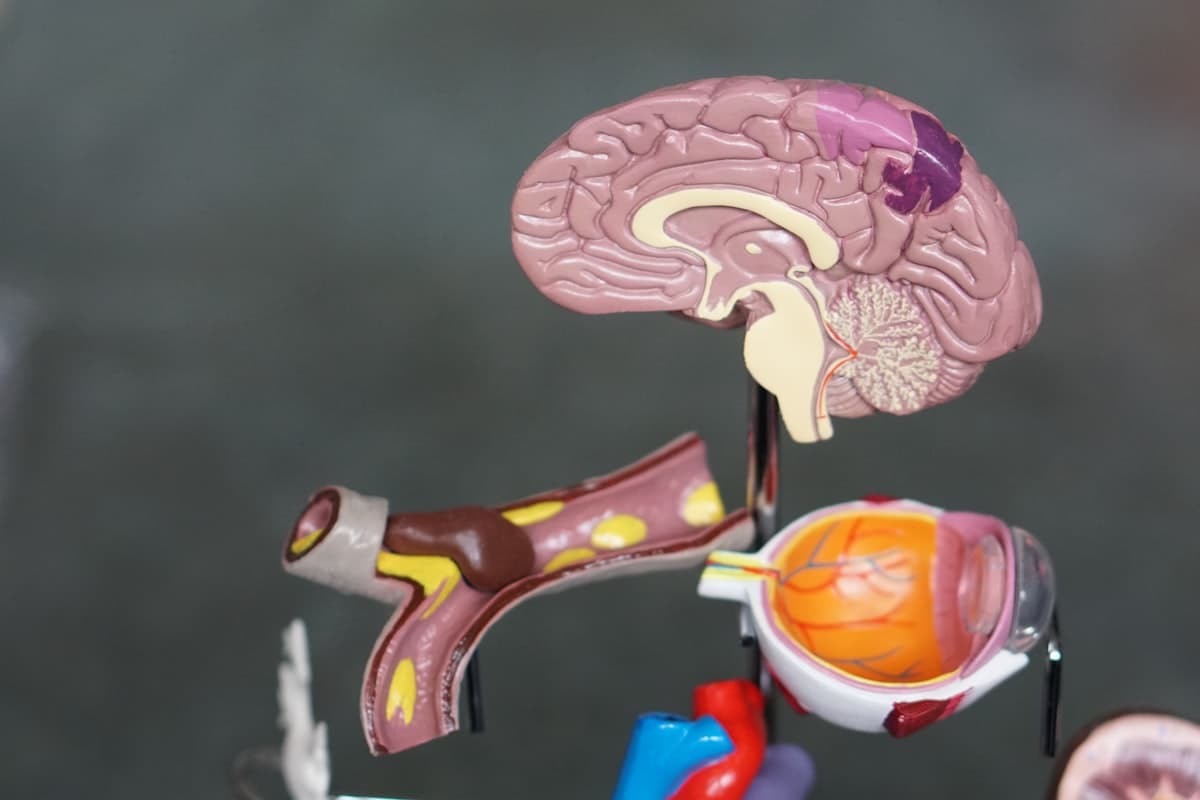
DBS involves the surgical implantation of thin, insulated electrodes — leads — into specific deep brain targets. For Parkinson's disease, the subthalamic nucleus (STN) or globus pallidus internus (GPi) is the most common target. For essential tremor, the ventral intermediate nucleus (VIM) of the thalamus is targeted. The leads are connected via extension wires running under the skin to a pulse generator (IPG) — a small, battery-powered device implanted beneath the collarbone or in the chest wall. The IPG delivers continuous electrical stimulation that modulates abnormal neural circuits, restoring more normal motor function.
How is it Performed?
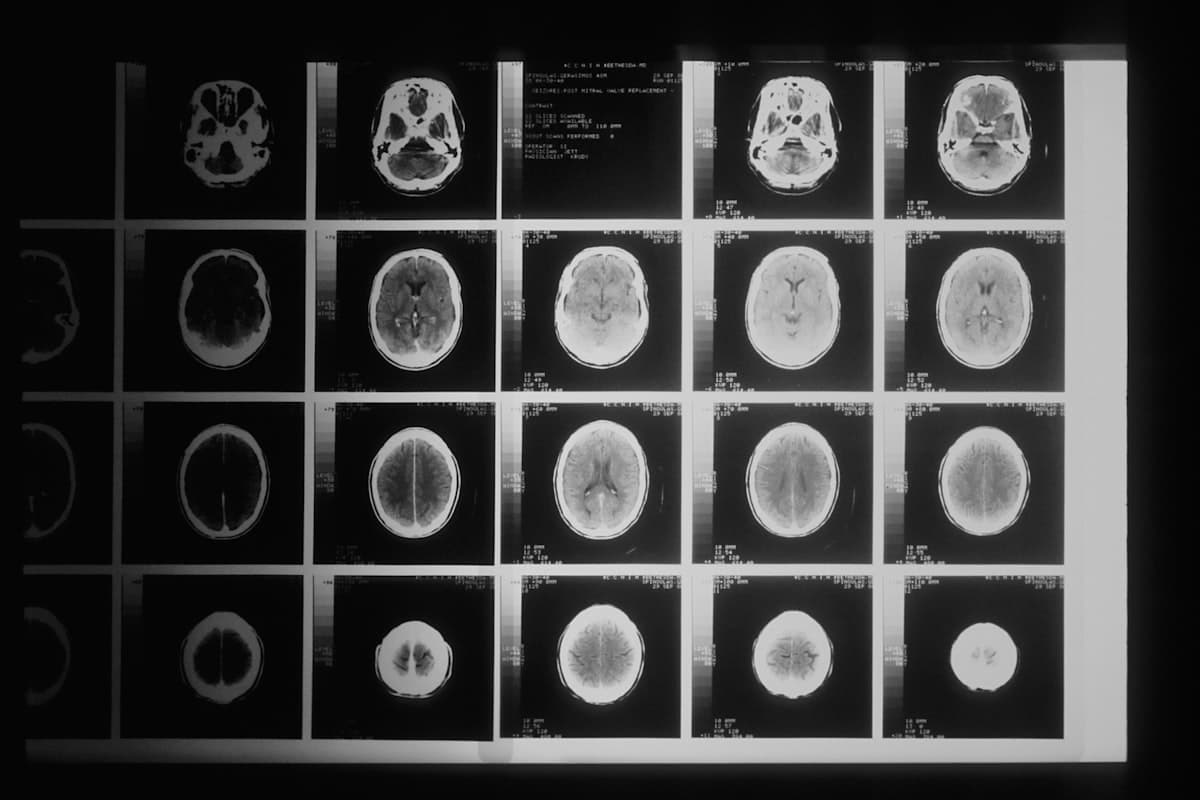
DBS implantation is typically performed in two stages. In the first stage, the patient is awake for part of the procedure (for microelectrode recording and macrostimulation testing) to confirm precise lead placement. A stereotactic frame or robotic system is used to guide the leads to submillimetre accuracy based on high-resolution brain MRI. The second stage, performed under general anaesthesia, involves tunnelling the extension wires and implanting the IPG. Programming of the device begins within days of surgery and is refined over weeks to months to optimise symptom control and minimise side effects. Rechargeable IPGs from Medtronic, Abbott (St. Jude), or Boston Scientific are commonly used.
Who is a Candidate for DBS?
DBS is most beneficial for patients with Parkinson's disease who have motor fluctuations and dyskinesias that cannot be adequately controlled with medication despite optimal medical therapy. Ideal candidates have had Parkinson's for at least four years, show a robust levodopa response (>30 % improvement on the Unified Parkinson's Disease Rating Scale), and are free of significant cognitive impairment or psychiatric illness. Essential tremor patients with disabling action tremor not controlled by propranolol or primidone, and dystonia patients, are also strong candidates.
Recovery & Aftercare
Hospital stay is typically five to seven days covering both surgical stages. Mild surgical discomfort resolves within one to two weeks. DBS programming begins within one week of IPG implantation and continues on an outpatient basis. Most patients notice gradual improvement in symptoms over weeks to months as stimulation is optimised. Turkare coordinates remote programming follow-up with the Turkish DBS team via telemedicine, allowing ongoing optimisation after the patient returns home.
Risks & Success Rates
DBS is highly effective: 60–70 % of Parkinson's patients achieve significant reduction in motor fluctuations, and most essential tremor patients experience dramatic tremor suppression. Surgical risks include lead misplacement (<2 %), haemorrhage (1–2 %), infection (2–5 %), and hardware malfunction. Psychiatric symptoms (impulse control, mood changes) can occur with STN stimulation and are managed with programming adjustments. Careful patient selection and experienced surgical teams minimise these risks substantially.
Why Turkey & Turkare?
Turkish functional neurosurgical teams include internationally trained specialists in movement disorder surgery who work alongside neurologists, neuropsychologists, and rehabilitation specialists in dedicated DBS programmes. Turkish hospitals use CE- and FDA-cleared DBS systems from Medtronic and Abbott. All-inclusive DBS packages in Turkey start at approximately $25,000 — compared to $80,000–$150,000 in Western Europe and North America. Turkare provides full coordination including pre-operative neurological evaluation, device selection advice, surgery, programming, and remote follow-up support.
Frequently asked questions
Can DBS cure Parkinson's disease?
DBS does not cure Parkinson's disease but significantly reduces motor symptoms — tremor, rigidity, and motor fluctuations — allowing patients to reduce medication doses and improve quality of life substantially.
How long do DBS batteries last?
Non-rechargeable IPG batteries typically last three to five years. Rechargeable IPGs can last up to 15–25 years with nightly charging and are increasingly preferred for younger or more active patients.
Is DBS reversible?
Yes. DBS is fully reversible — the device can be turned off or the leads removed if needed. This is a significant advantage over ablative procedures such as thalamotomy.
How long does DBS programming take to optimise?
Initial programming begins within days of implantation. Optimisation typically takes three to six months as stimulation parameters are refined, though ongoing fine-tuning may continue for years.
Can I have MRI scans after DBS implantation?
Certain MRI scans are permitted with modern DBS systems (full-body 1.5T MRI is approved for most current devices). Your DBS team will provide specific MRI guidelines based on your device model.
Get a written quote for this procedure
One coordinator, one price, start to finish.