Craniotomy for Brain Tumor Removal in Turkey
World-class craniotomy surgery performed by leading Turkish neurosurgeons at a fraction of Western costs — combining advanced intraoperative imaging with personalised care.
A brain tumor diagnosis is one of the most frightening moments a patient and family can face. Yet modern neurosurgery has transformed outcomes dramatically, and Turkey has emerged as a destination where world-class surgical expertise meets affordable, compassionate care. Turkare connects international patients with the most experienced craniotomy teams in Istanbul, Ankara, and Izmir.
What is a Craniotomy?
A craniotomy is a surgical procedure in which a section of the skull, called a bone flap, is temporarily removed to access the brain. The neurosurgeon then excises, debulks, or biopsies the tumor before replacing the bone flap with titanium plates and screws. The procedure is tailored to tumor location, size, and histology. In some cases an awake craniotomy is performed — the patient remains conscious during critical stages so that speech and motor function can be continuously monitored, significantly reducing the risk of neurological deficit.
How is it Performed?
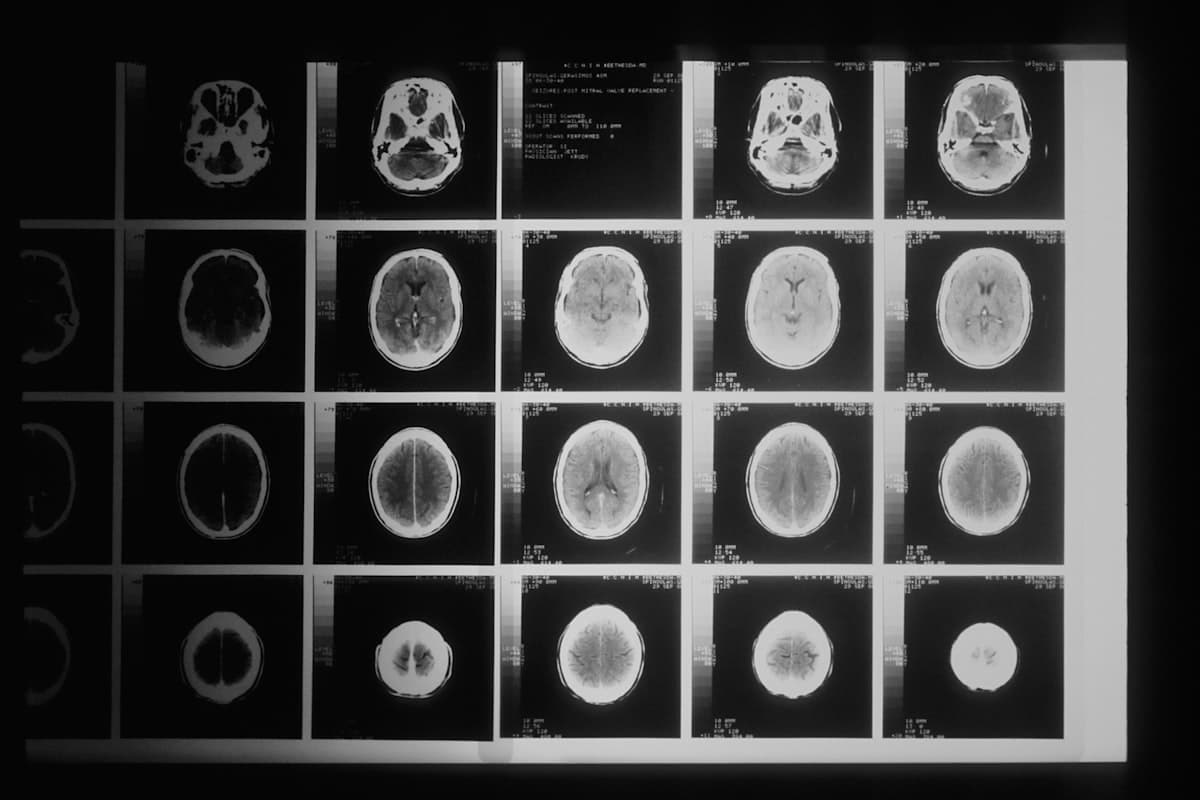
Preparation begins with high-resolution MRI and CT imaging merged into a neuro-navigation system — a real-time GPS for the brain that guides the surgeon millimetre by millimetre. Intraoperative MRI (iMRI) suites, available at leading Turkish centres, allow surgeons to check resection completeness without moving the patient. Fluorescent dyes such as 5-ALA may be used to distinguish tumor cells from healthy tissue under a specialised microscope. The operation typically lasts three to seven hours under general anaesthesia. Electrophysiological monitoring (SSEP, MEP, EEG) protects eloquent cortex throughout the procedure.
Who Needs a Craniotomy?
Patients diagnosed with glioblastoma (GBM), meningioma, metastatic brain lesions, low-grade glioma, or other primary brain tumors are candidates for craniotomy. The decision is based on tumor accessibility, the patient's performance status, prior treatments, and goals of care. Craniotomy may also be indicated for cerebral cavernomas, arteriovenous malformations (AVMs), and refractory epilepsy when a structural lesion is identified.
Recovery & Aftercare
Most patients spend two to four days in the neurosurgical intensive care unit (NICU) followed by three to five days on the ward. Neurological assessments are conducted hourly in the immediate postoperative period. Physiotherapy, speech therapy, and occupational therapy begin early to accelerate functional recovery. Steroids are tapered to reduce cerebral oedema, and anti-epileptic drugs are prescribed as prophylaxis. Turkare coordinates follow-up telehealth appointments so that international patients can receive specialist oversight once they return home. Return to light activity typically occurs within four to six weeks; full recovery varies by tumor type and extent of resection.
Risks & Success Rates
Surgical risks include infection (1–2 %), cerebrospinal fluid (CSF) leak, haematoma, new neurological deficit, and, rarely, stroke. At JCI-accredited Turkish hospitals, overall morbidity rates align with published international benchmarks. Gross total resection of meningiomas carries a recurrence-free survival above 80 % at five years. For GBM, combined surgery, radiotherapy, and temozolomide chemotherapy extends median survival to 15–20 months, with a meaningful subset of patients achieving long-term remission.
Why Turkey & Turkare?
Turkey's top neurosurgical centres invest heavily in the same technologies deployed at leading European and American academic hospitals — neuro-navigation, iMRI, awake surgery, and robotic microscopy — yet procedure costs are 50–70 % lower. Turkare provides end-to-end coordination: pre-operative imaging review, multi-disciplinary tumour board consultations, airport transfer, hospital accommodation guidance, and post-discharge teleconsultation. Our dedicated case managers speak Arabic, English, Russian, and German, ensuring no communication barrier stands between you and the care you deserve.
Frequently asked questions
How long will I stay in Turkey for a craniotomy?
Most patients plan a stay of 14 to 21 days. This covers pre-operative assessment (2–3 days), the surgery itself, NICU observation, and ward recovery, plus a final oncology review before departure.
Is awake craniotomy available in Turkey?
Yes. Several JCI-accredited centres in Istanbul perform awake craniotomies for tumors near speech or motor areas. The technique is well-established and dramatically reduces the risk of permanent neurological deficit.
What imaging do I need to bring?
Bring recent MRI with contrast (gadolinium) and CT scans in DICOM format on a CD or USB drive. Turkare's radiological team will review them before your arrival to confirm surgical planning.
Will I need radiotherapy or chemotherapy after surgery?
This depends on tumor type and pathology results. Our Turkish oncology partners offer full adjuvant treatment packages, or Turkare can coordinate follow-up radiation and chemotherapy in your home country.
How much does craniotomy cost in Turkey compared with the UK?
In Turkey, all-inclusive craniotomy packages typically range from $12,000 to $28,000 USD. Comparable procedures in the UK private sector or the United States often exceed $80,000–$150,000 USD.
Get a written quote for this procedure
One coordinator, one price, start to finish.