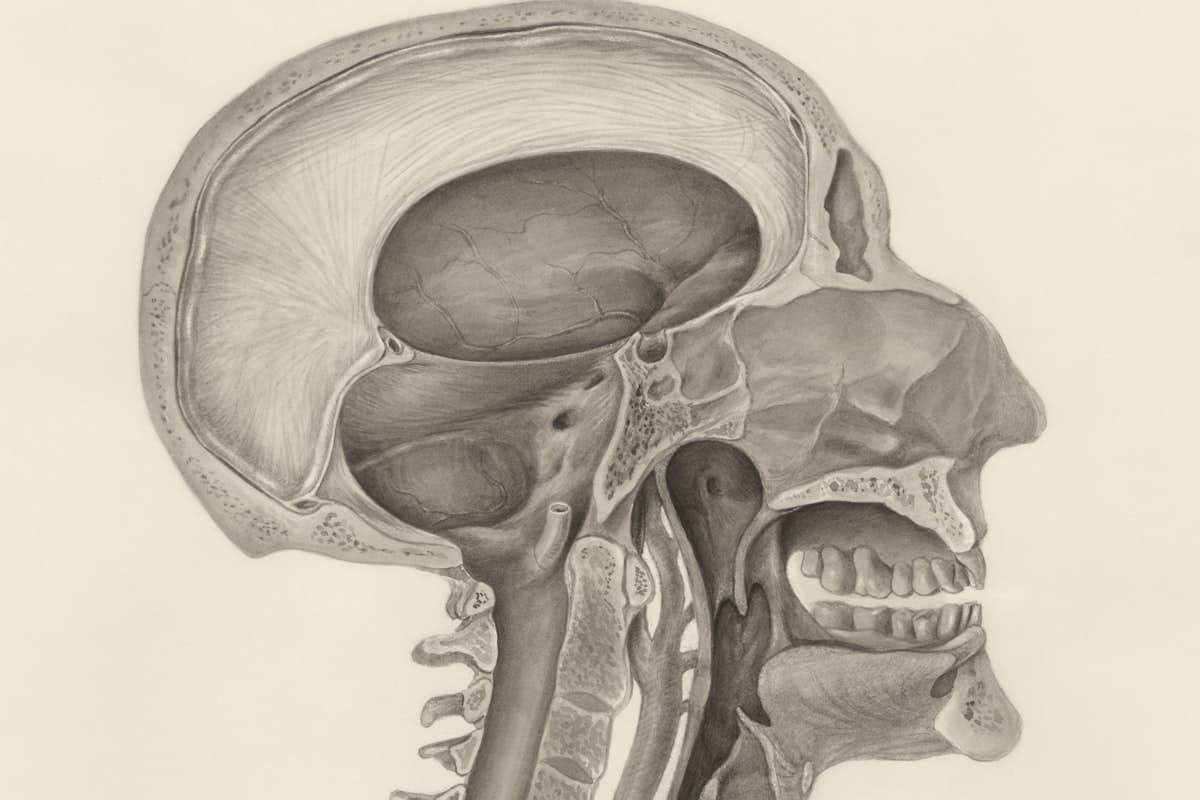
Thyroidectomy (Thyroid Removal) Surgery in Turkey
Thyroidectomy is performed for thyroid cancer, large goitres, and hyperthyroidism unresponsive to medication. Turkey offers expert endocrine surgeons, advanced nerve monitoring, and all-inclusive packages at highly competitive prices.
The thyroid gland, a butterfly-shaped structure at the base of the neck, regulates metabolism, growth, and development through the hormones it produces. When the thyroid becomes diseased — through cancer, a large goitre, or uncontrollable hyperthyroidism — surgical removal (thyroidectomy) is often the most definitive treatment. Turkey has established itself as an internationally recognised hub for endocrine surgery, with experienced surgeons and modern facilities offering outcomes that match or exceed those of major Western centres.
What is Thyroidectomy?
Thyroidectomy refers to the surgical removal of all or part of the thyroid gland. A total thyroidectomy removes the entire gland, while a hemithyroidectomy (lobectomy) removes only one lobe. The extent of surgery depends on the underlying diagnosis: thyroid cancer typically requires total thyroidectomy followed by radioiodine therapy, while a single benign nodule or a unilateral goitre may be managed with lobectomy alone.
How is it Performed?
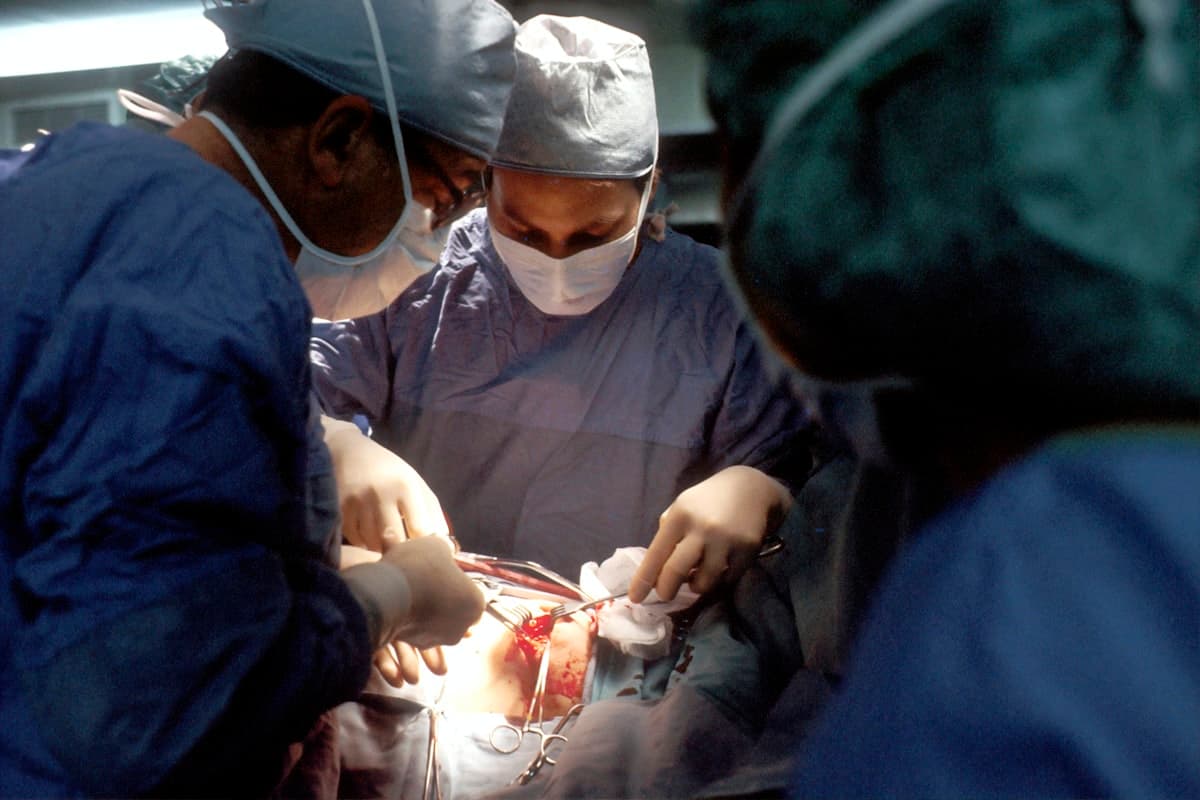
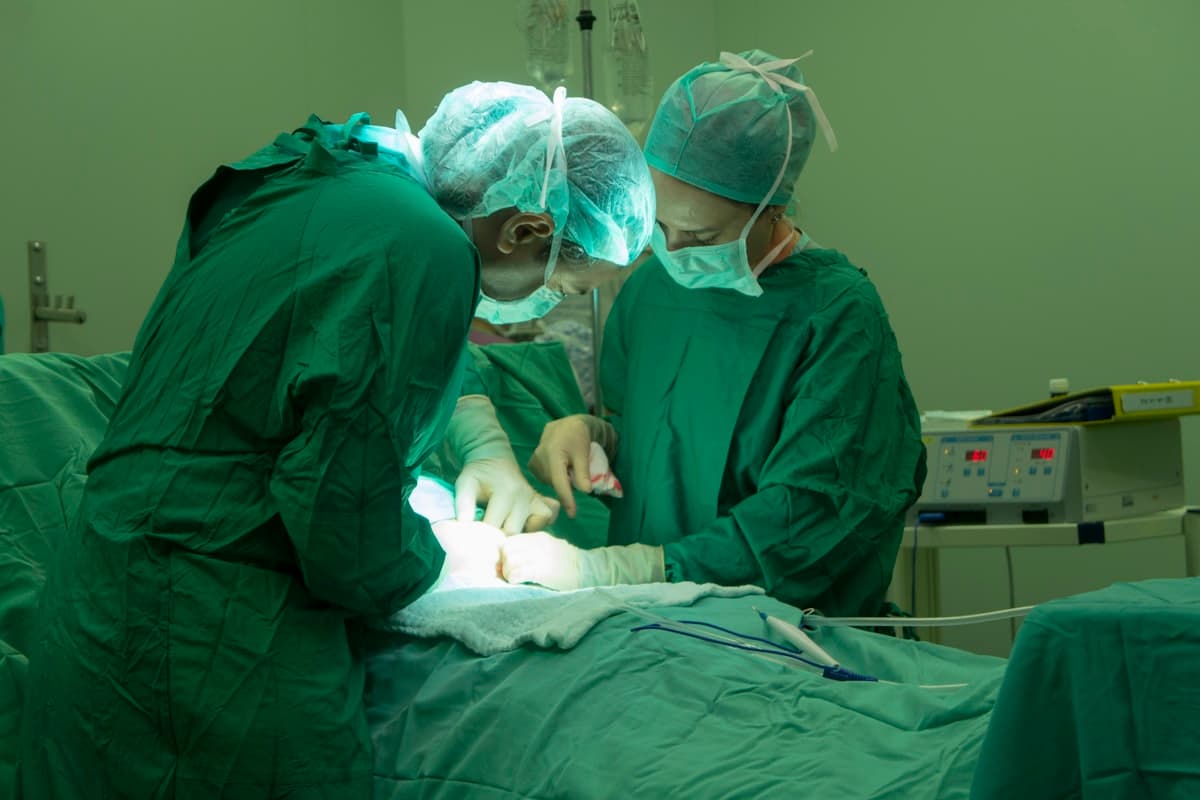
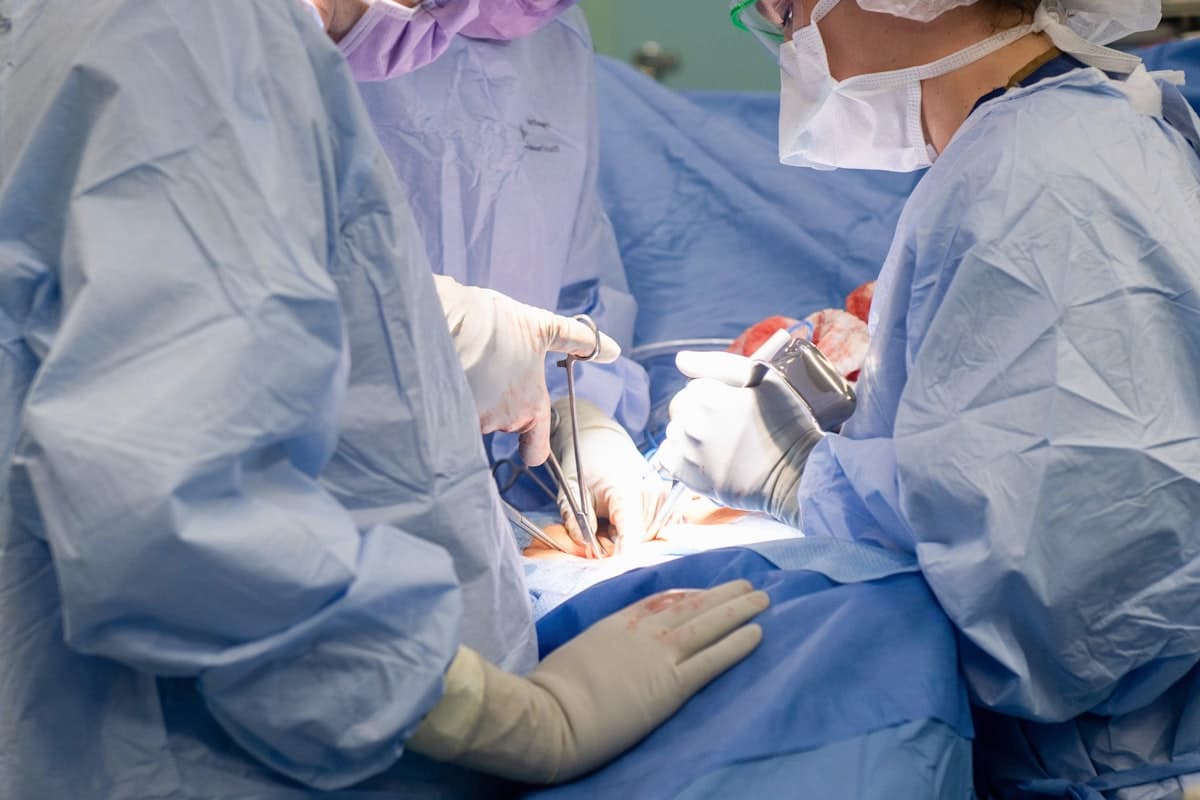
The standard approach uses a small transverse incision in the lower neck (typically 3–5 cm), placed in a skin crease to minimise visible scarring. Under general anaesthesia, the surgeon carefully dissects the thyroid from surrounding structures — most critically the recurrent laryngeal nerves (which control voice) and the parathyroid glands (which regulate calcium). Intraoperative neuromonitoring (IONM) is routinely used in leading Turkish hospitals to continuously check nerve function during surgery, significantly reducing the risk of voice changes. In selected patients, a minimally invasive video-assisted or robotic approach (via the axilla or retroauricular route) may eliminate any visible neck scar. The procedure takes 1.5 to 3 hours.
Who Needs It?
Thyroidectomy is indicated for: thyroid cancer (papillary, follicular, medullary, or anaplastic); large symptomatic goitres causing difficulty swallowing or breathing; hyperthyroidism (Graves' disease or toxic nodular goitre) unresponsive to antithyroid drugs or radioiodine; and suspicious thyroid nodules on biopsy (Bethesda IV–VI). A comprehensive pre-operative workup including thyroid function tests, ultrasound, and fine-needle aspiration cytology is performed before surgery.
Recovery & Aftercare
Most patients are discharged within 24–48 hours. A small drain is sometimes placed and removed the following morning. Mild neck soreness and difficulty swallowing typically resolve within one week. Patients undergoing total thyroidectomy require lifelong thyroid hormone replacement (levothyroxine), the dose of which is titrated post-operatively. Calcium levels are monitored closely in the first 24–72 hours. Voice and neck physiotherapy may be recommended if any temporary hoarseness occurs. Most patients return to desk work within one week.
Risks & Success Rates
In experienced hands, thyroidectomy carries very low complication rates. Permanent recurrent laryngeal nerve injury occurs in less than 1% of cases in high-volume centres. Permanent hypoparathyroidism (low calcium) affects approximately 1–2% of patients after total thyroidectomy. Temporary hoarseness or low calcium is more common (5–10%) but usually resolves within weeks to months. Bleeding requiring return to theatre is rare (less than 1%).
Why Turkey & Turkare?
Turkey's endocrine surgery units perform high volumes of thyroid operations annually. Surgeons at leading Istanbul and Ankara hospitals have published research in international journals and hold memberships in the European Society of Endocrine Surgeons. IONM equipment is standard in these units. All-inclusive thyroidectomy packages in Turkey range from $2,500 to $4,500 — compared to $15,000–$30,000 in the US. Turkare ensures you are matched with a surgeon whose volume and specialisation align with your specific diagnosis, whether benign or malignant.
Frequently asked questions
Will I need to take medication for life after thyroidectomy?
After total thyroidectomy, yes — you will take a daily levothyroxine tablet to replace the hormones your thyroid would have produced. The dose is straightforward to manage and patients lead entirely normal lives. After hemithyroidectomy, roughly 20–30% of patients ultimately need supplementation.
How visible will the scar be?
The incision is placed in a natural neck crease and is typically 3–5 cm. With modern closure techniques and scar care (silicone gel, sunscreen), the scar usually fades significantly within 6–12 months. Robotic or video-assisted remote-access approaches can eliminate the neck scar entirely.
What is intraoperative neuromonitoring and why does it matter?
IONM uses small electrodes to continuously monitor the recurrent laryngeal nerves during surgery. It provides real-time feedback and significantly reduces the risk of permanent voice change — a key differentiator in high-quality thyroid surgery centres.
How long after thyroidectomy for thyroid cancer before I can have radioiodine?
Radioiodine (I-131) ablation is typically arranged 4–6 weeks after total thyroidectomy, once surgical wounds have healed. The specific protocol depends on your cancer stage and risk classification.
Can I combine thyroid surgery in Turkey with a consultation for radioiodine?
Yes. Turkare coordinates with nuclear medicine departments in partner hospitals. For international patients, the post-surgical radioiodine workup can sometimes be performed before you fly home, or a detailed plan provided for your oncologist at home.
Get a written quote for this procedure
One coordinator, one price, start to finish.