Inguinal Hernia Repair Surgery in Turkey
Inguinal hernia repair is one of the most common surgical procedures worldwide. Discover how Turkey combines expert laparoscopic surgeons, modern facilities, and affordable pricing for outstanding patient outcomes.
An inguinal hernia occurs when soft tissue — usually part of the intestine — protrudes through a weak spot in the abdominal muscles near the groin. It is far more common in men than women and can cause discomfort, a visible bulge, and potentially life-threatening complications if left untreated. Turkey has become a premier destination for hernia repair surgery, offering minimally invasive techniques, JCI-accredited hospitals, and all-inclusive packages that cost a fraction of Western prices.
What is Inguinal Hernia Repair?
Inguinal hernia repair (herniorrhaphy or hernioplasty) is a surgical procedure to push the protruding tissue back into place and reinforce the abdominal wall. Modern repairs almost universally use a synthetic mesh to provide a durable, tension-free closure. The two main approaches are open repair (through a single incision in the groin) and laparoscopic repair — either TAPP (transabdominal preperitoneal) or TEP (totally extraperitoneal) — which uses small keyhole incisions and is associated with faster recovery and less post-operative pain.
How is it Performed?
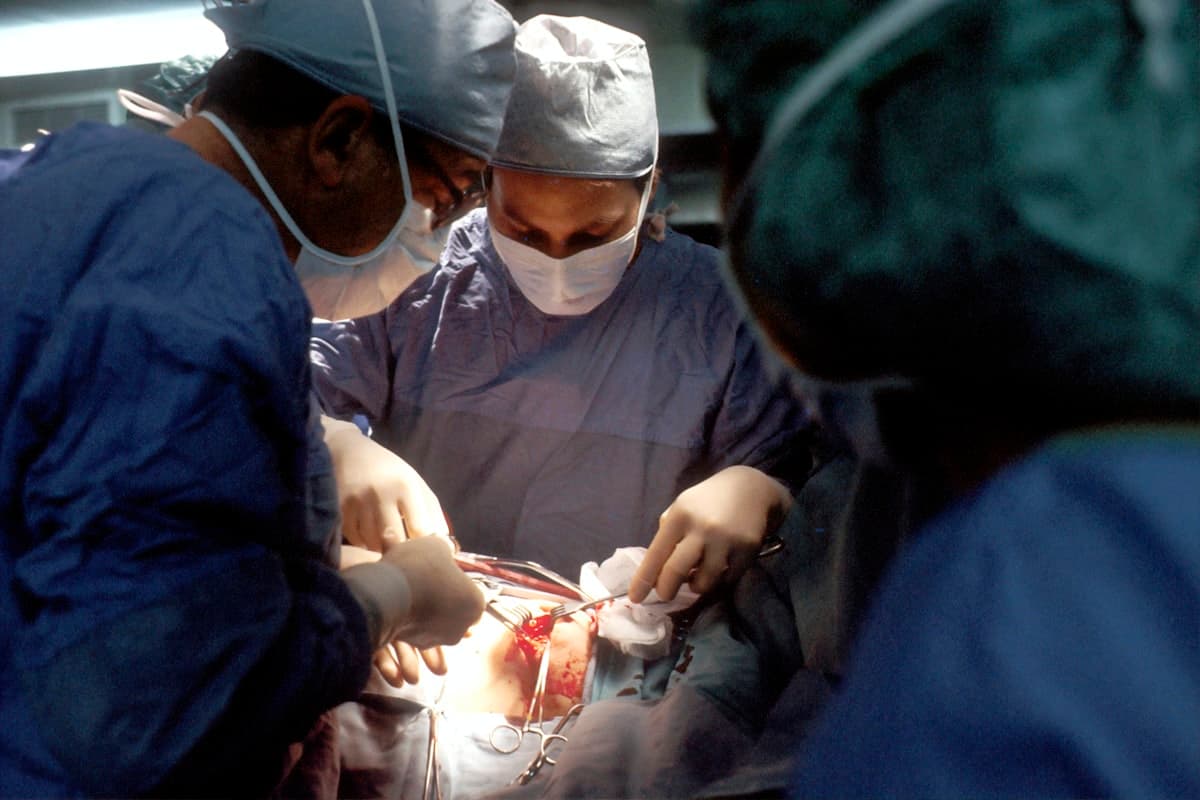
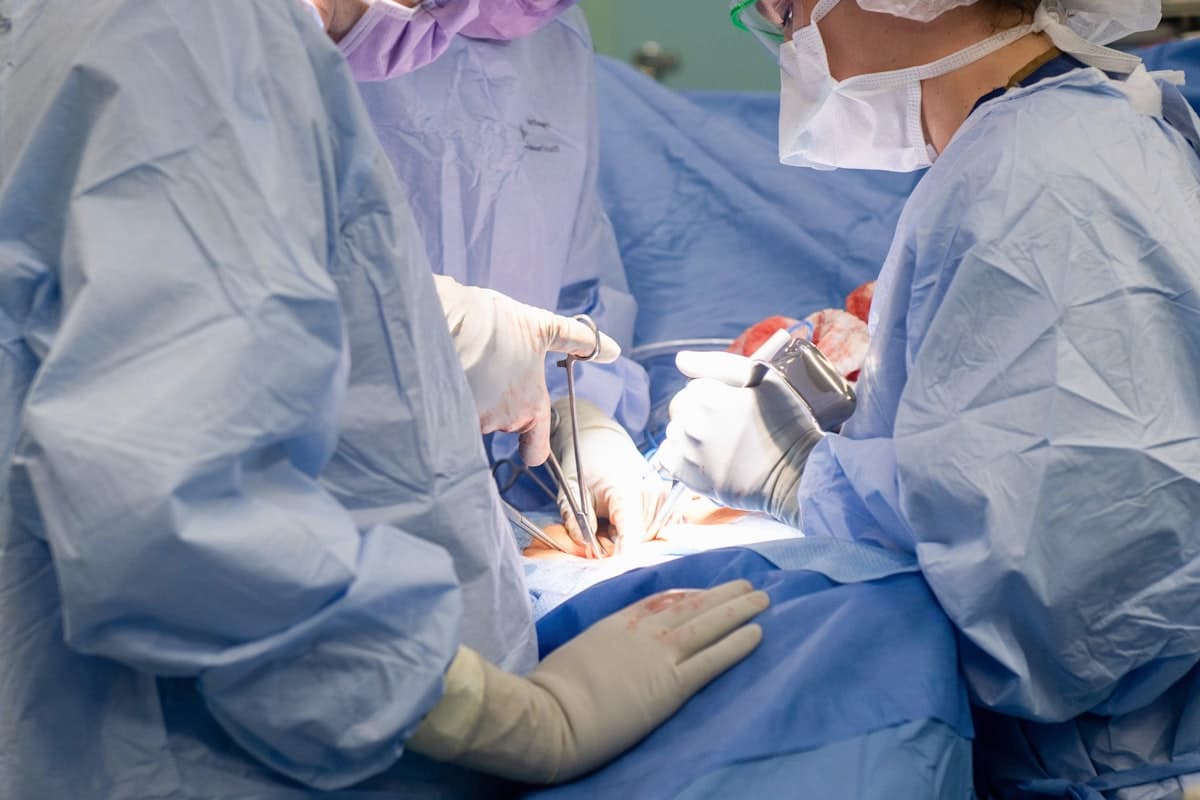
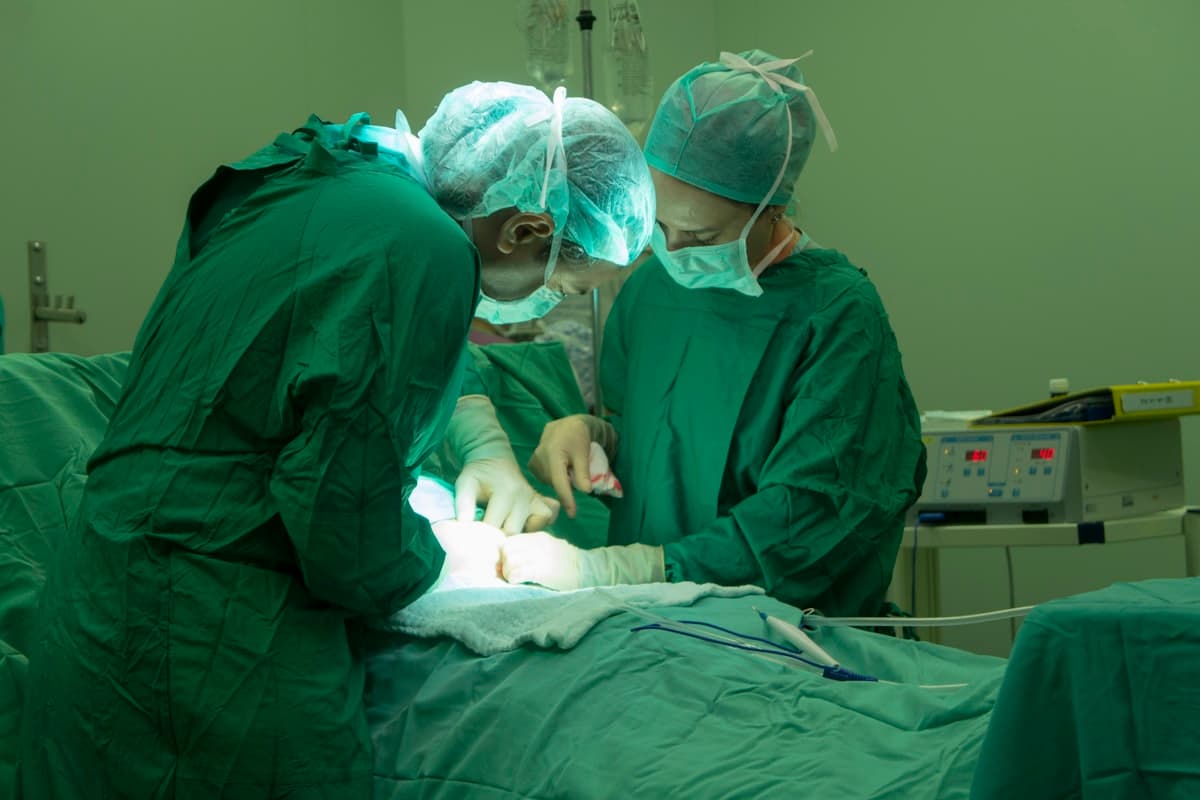
Under general or regional (spinal) anaesthesia, the surgeon accesses the hernia defect. In laparoscopic TEP repair — the most common approach in modern Turkish hospitals — three small incisions are made near the navel. The surgeon dissects in the preperitoneal space, reducing the herniated tissue and placing a large mesh patch over the defect. The mesh integrates with the surrounding tissue over several weeks, providing permanent reinforcement. The entire procedure takes 45 to 75 minutes. Bilateral (both-sided) hernias can often be repaired in the same operative session.
Who Needs It?
Surgery is recommended for all symptomatic inguinal hernias — those causing pain, discomfort, or a visible bulge that worsens on standing or straining. Asymptomatic hernias in men may be watched in some cases, but surgery is generally advised to prevent incarceration (when the hernia becomes trapped and cannot be pushed back) or strangulation (when blood supply to the trapped tissue is cut off), both of which are surgical emergencies. Women with inguinal hernias are always offered surgery due to the higher risk of complications.
Recovery & Aftercare
Laparoscopic hernia repair is usually performed as day surgery or with one overnight stay. Most patients return to sedentary work within one week and physical labour within three to four weeks. Mild groin soreness and bruising are normal and resolve within two to three weeks. Patients are advised to avoid heavy lifting and strenuous exercise for four to six weeks. A follow-up consultation is typically arranged at two to four weeks post-operatively.
Risks & Success Rates
Hernia repair has an excellent safety profile. The recurrence rate with mesh repair is less than 2% — significantly lower than the 10–15% seen with suture-only techniques. Potential complications include seroma (fluid collection), haematoma, temporary numbness in the groin or thigh, and rarely, injury to the vas deferens or femoral vessels. Long-term chronic pain affects a small minority (1–3%) of patients and is more common with open than laparoscopic repair.
Why Turkey & Turkare?
Turkish general surgeons performing hernia repairs frequently hold subspecialty training in minimally invasive surgery from European or American programmes. High-volume Turkish hospitals perform thousands of hernia repairs annually, translating into consistently excellent outcomes. All-inclusive surgical packages range from $1,200 to $2,500 — compared to $5,000–$10,000 in Western Europe or the USA. Turkare handles every logistical detail, from pre-operative consultations via telemedicine to discharge planning and post-operative follow-up from your home country.
Frequently asked questions
Can both sides be repaired in the same operation?
Yes. Bilateral inguinal hernia repair is routinely performed in a single laparoscopic session without significantly increasing operative time or recovery, making it especially advantageous for medical tourists.
What is the difference between TEP and TAPP hernia repair?
Both are laparoscopic techniques. TEP (totally extraperitoneal) works entirely outside the peritoneum, reducing the risk of intra-abdominal adhesions. TAPP (transabdominal preperitoneal) enters the abdominal cavity first. TEP is more commonly preferred but requires greater surgical expertise.
Will the mesh cause problems long-term?
Modern lightweight polypropylene or biological meshes are well-tolerated. Chronic mesh-related pain or rejection is rare (less than 1%). The mesh becomes incorporated into your body tissue within weeks.
How soon can I fly home after hernia repair?
Most surgeons recommend waiting five to seven days before flying. Long-haul flights carry a minor increased DVT risk, so compression stockings and regular walking in the aisle are advised.
Can a hernia repair fail and the hernia recur?
With mesh repair performed by an experienced surgeon, recurrence rates are below 2%. Recurrence is more likely in patients with chronic cough, obesity, or who return to heavy labour too soon after surgery.
Get a written quote for this procedure
One coordinator, one price, start to finish.