Laparoscopic Cholecystectomy (Gallbladder Removal) in Turkey
Turkey offers world-class laparoscopic cholecystectomy at a fraction of Western costs. Learn about the procedure, recovery, risks, and why thousands of international patients choose Turkish hospitals every year.
Gallbladder disease affects millions of people worldwide, and laparoscopic cholecystectomy — the minimally invasive removal of the gallbladder — is one of the most commonly performed surgical procedures globally. Turkey has emerged as a leading destination for this surgery, combining JCI-accredited hospitals, highly experienced surgeons, and significantly lower costs than the United States, United Kingdom, or Western Europe.
What is Laparoscopic Cholecystectomy?
Laparoscopic cholecystectomy is the surgical removal of the gallbladder using a laparoscope — a thin, flexible tube fitted with a camera and light source. Unlike open surgery, the laparoscopic approach requires only three to four small incisions (each less than 1 cm), through which the surgeon inserts instruments and the camera. Carbon dioxide gas is used to gently inflate the abdomen, creating space for the surgeon to work. The gallbladder is then detached from the liver and bile duct and removed through one of the small incisions. The entire procedure typically takes 45 to 90 minutes under general anaesthesia.
How is it Performed?
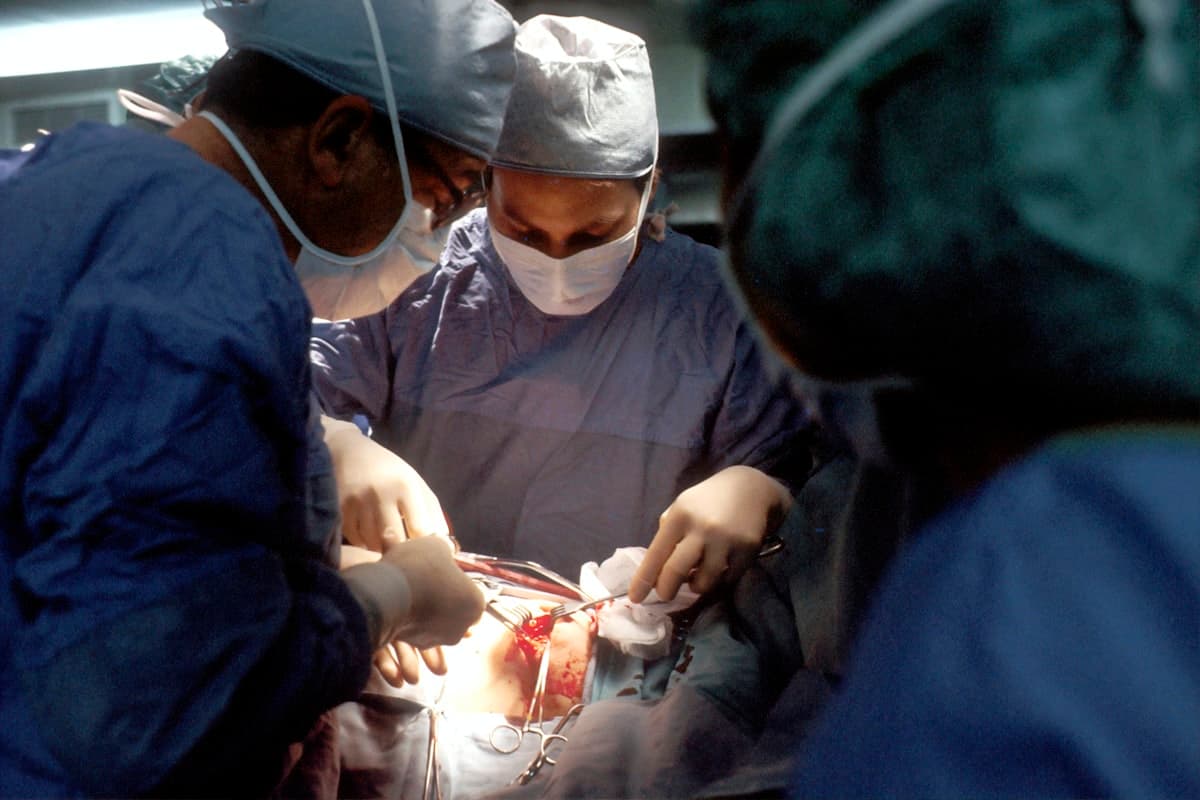
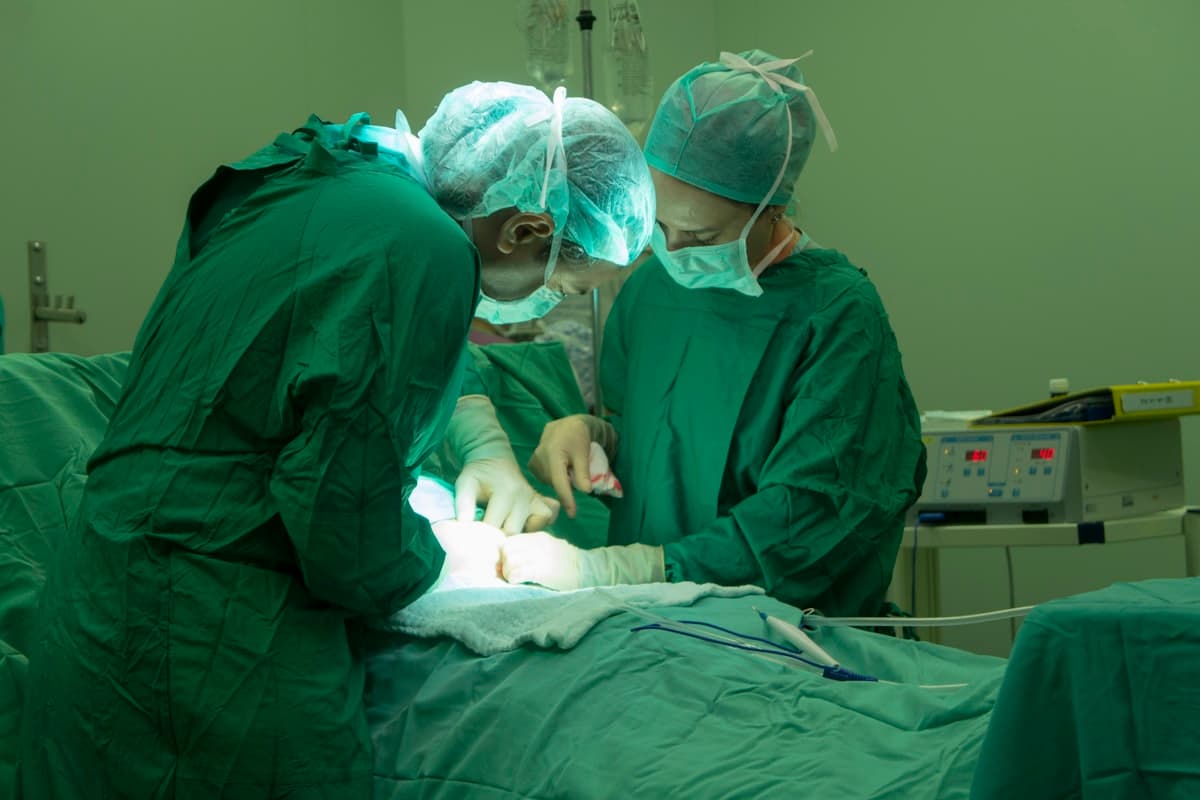
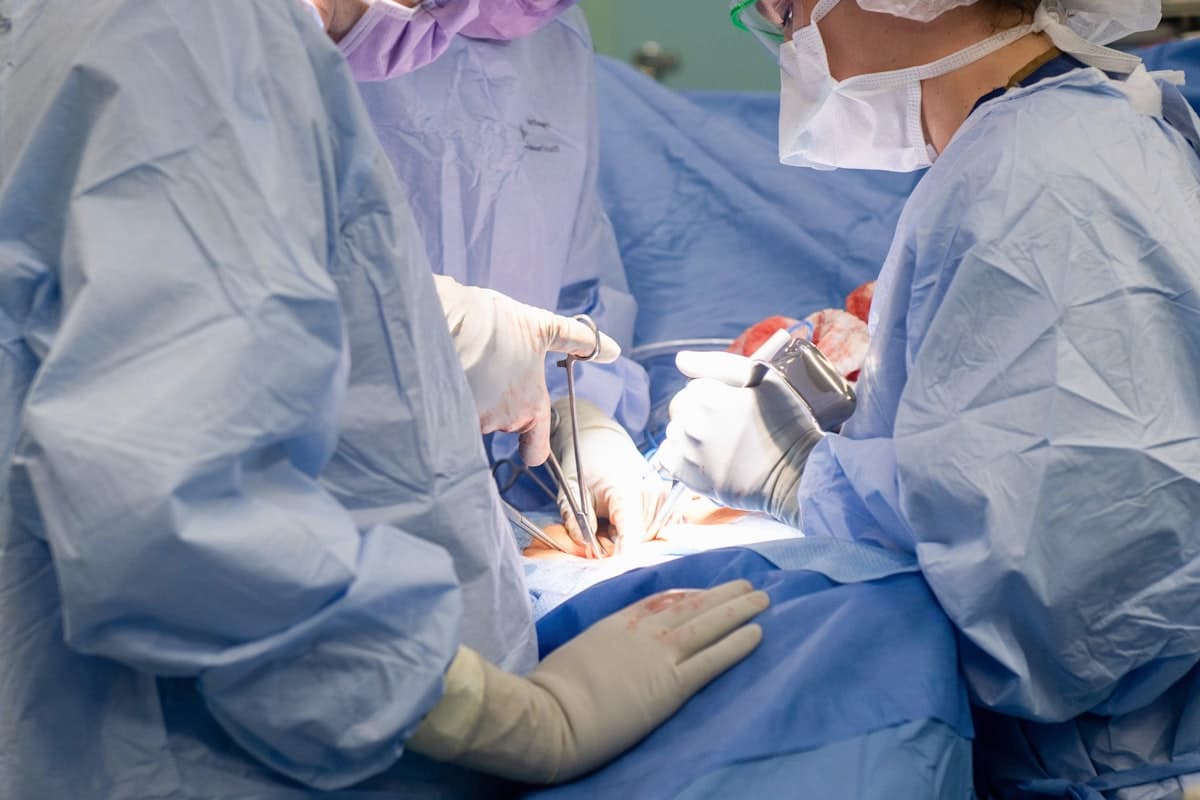
After the patient is placed under general anaesthesia, the surgeon makes three to four tiny cuts near the navel and upper abdomen. A trocar (a hollow tube) is inserted into each incision, through which the laparoscope and surgical tools are passed. The camera transmits real-time images to a monitor, guiding the surgeon throughout the procedure. The cystic duct and artery supplying the gallbladder are carefully clipped and divided. The gallbladder is then freed from the liver bed and extracted. In fewer than 5% of cases, the surgeon may need to convert to open surgery if complications arise — such as severe inflammation or unclear anatomy.
Who Needs It?
Laparoscopic cholecystectomy is recommended for patients with symptomatic gallstones (cholelithiasis), gallbladder inflammation (cholecystitis), biliary colic, or gallbladder polyps larger than 10 mm. Patients who experience recurring episodes of pain after fatty meals, nausea, vomiting, or jaundice are strong candidates. It is also performed prophylactically in patients with asymptomatic gallstones who are at high risk of complications — for example, those with diabetes or immunosuppression.
Recovery & Aftercare
One of the greatest advantages of the laparoscopic approach is the rapid recovery time. Most patients are discharged within 24 hours of surgery. Mild shoulder or upper abdominal discomfort — caused by residual CO₂ gas — typically resolves within 48 hours. Patients can usually return to light activities within one week and resume full normal activity within two to three weeks. A low-fat diet is recommended for the first few weeks. Driving should be avoided for at least one week, and strenuous exercise for four weeks. Follow-up blood tests and an ultrasound may be arranged after four to six weeks.
Risks & Success Rates
Laparoscopic cholecystectomy carries a very high success rate exceeding 95%. Complications are uncommon but can include bile duct injury (less than 0.5%), bleeding, infection, or bile leakage. The risk of conversion to open surgery is approximately 2–5%. Modern Turkish hospitals employ advanced imaging and intraoperative cholangiography to minimise bile duct injuries. Most international patients report high satisfaction with outcomes and the overall treatment experience.
Why Turkey & Turkare?
Turkey's healthcare system has undergone a dramatic transformation over the past two decades. Turkish hospitals routinely achieve JCI accreditation — the same international standard applied to top hospitals in the US and Europe. Surgeons performing laparoscopic cholecystectomy in Turkey are often fellowship-trained abroad and hold extensive experience with thousands of procedures. The all-inclusive cost in Turkey (including hospital stay, anaesthesia, surgical fees, and pre-operative tests) typically ranges from $1,500 to $3,000 — compared to $10,000–$20,000 in the United States. Turkare coordinates every step of your medical journey: hospital selection, surgeon matching, travel logistics, accommodation, and post-operative follow-up, ensuring a seamless experience from consultation to recovery.
Frequently asked questions
How long do I need to stay in Turkey for laparoscopic cholecystectomy?
Most patients are hospitalised for one night. We generally recommend remaining in Turkey for five to seven days total to allow for post-operative review and safe travel clearance from your surgeon.
Will I need my gallbladder for digestion after removal?
No. The gallbladder stores bile but is not essential for digestion. After removal, bile flows directly from the liver into the small intestine. The vast majority of patients experience no long-term digestive problems.
Is laparoscopic cholecystectomy available under local anaesthesia?
No. The procedure is performed under general anaesthesia to ensure patient comfort and optimal surgical conditions. The anaesthesia team monitors you throughout and recovery from general anaesthesia is typically swift.
What happens if my gallstones return after surgery?
Gallstones cannot return after cholecystectomy because the gallbladder — where stones form — has been removed. Stones can rarely develop in the bile ducts themselves, but this is uncommon.
How does the cost in Turkey compare to the UK or USA?
The all-in cost in Turkey is typically $1,500–$3,000, versus $10,000–$20,000 in the USA and £5,000–£8,000 in private UK hospitals, representing savings of 70–85% without compromising quality or safety standards.
Get a written quote for this procedure
One coordinator, one price, start to finish.