Roux-en-Y Gastric Bypass in Turkey
Roux-en-Y gastric bypass in Turkey provides powerful, durable weight loss and metabolic improvement — the gold-standard bariatric procedure performed laparoscopically by expert surgeons.
Roux-en-Y Gastric Bypass (RYGB) has been the gold standard in bariatric surgery for over four decades. It produces greater and more durable weight loss than sleeve gastrectomy and achieves the highest rates of type 2 diabetes remission among all bariatric procedures. Turkey's experienced bariatric teams offer RYGB laparoscopically, combining excellent outcomes with all-inclusive packages that make this transformative surgery financially accessible.
What is Roux-en-Y Gastric Bypass?
RYGB works through both restriction and malabsorption. The surgeon creates a small gastric pouch (approximately 20–30 ml) from the upper stomach and connects it directly to the mid-small intestine (jejunum), bypassing the rest of the stomach, the duodenum, and the upper jejunum. The bypassed segment is reconnected further down to allow digestive enzymes to mix with food. This dual mechanism limits food intake, reduces caloric absorption, alters gut hormones (increasing GLP-1 and PYY), and profoundly improves metabolic parameters. Type 2 diabetes goes into remission in up to 80 % of patients, often within days of surgery — before significant weight loss occurs.
How is it Performed?
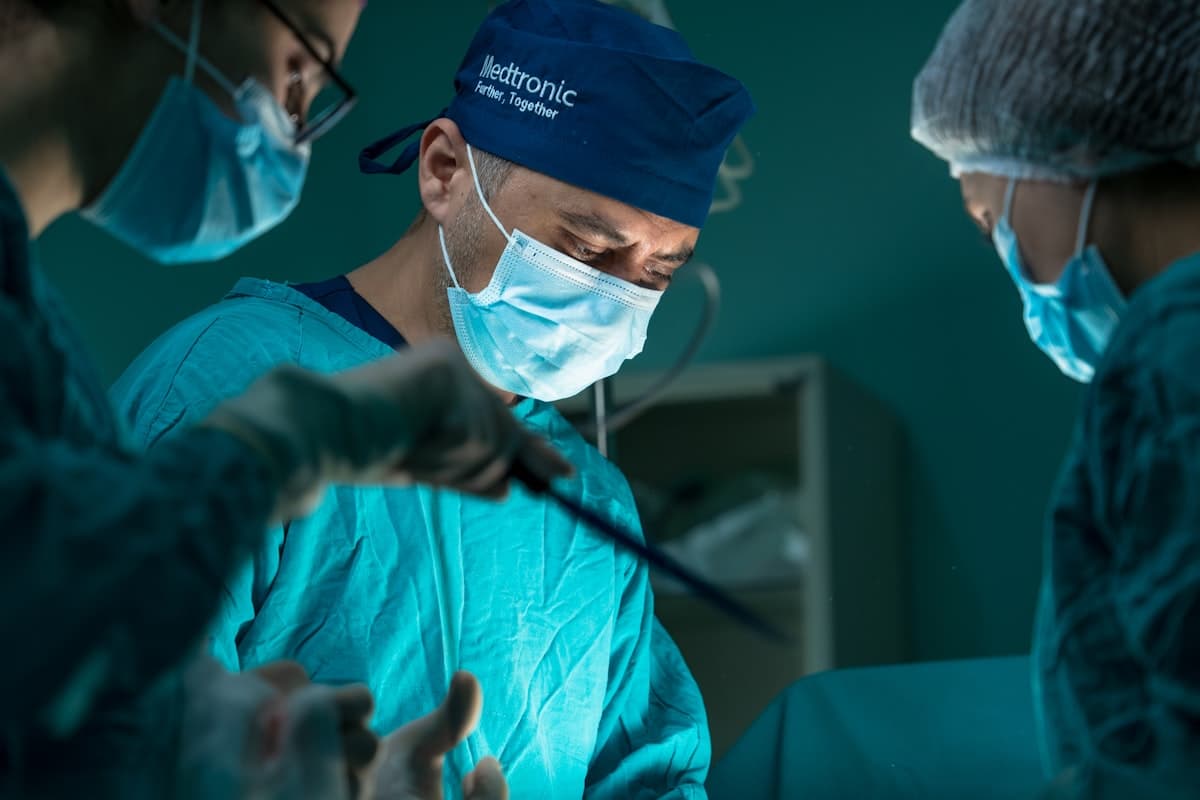
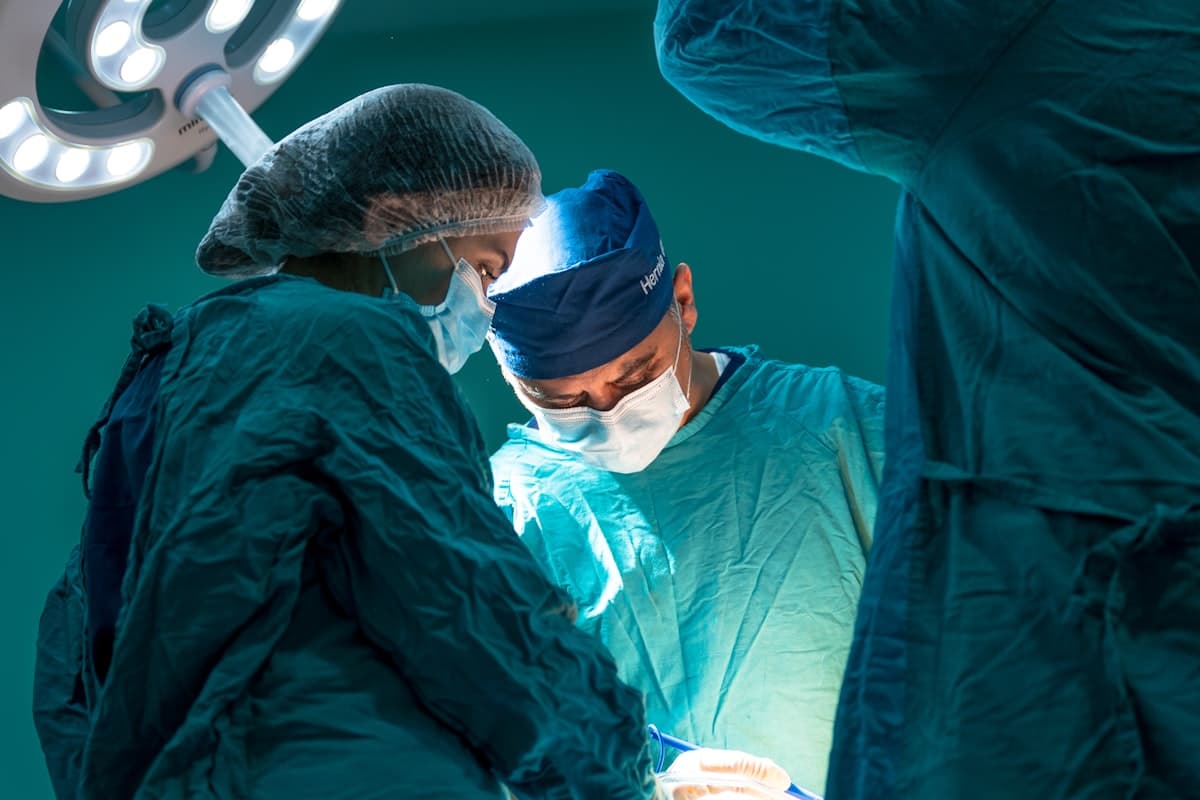
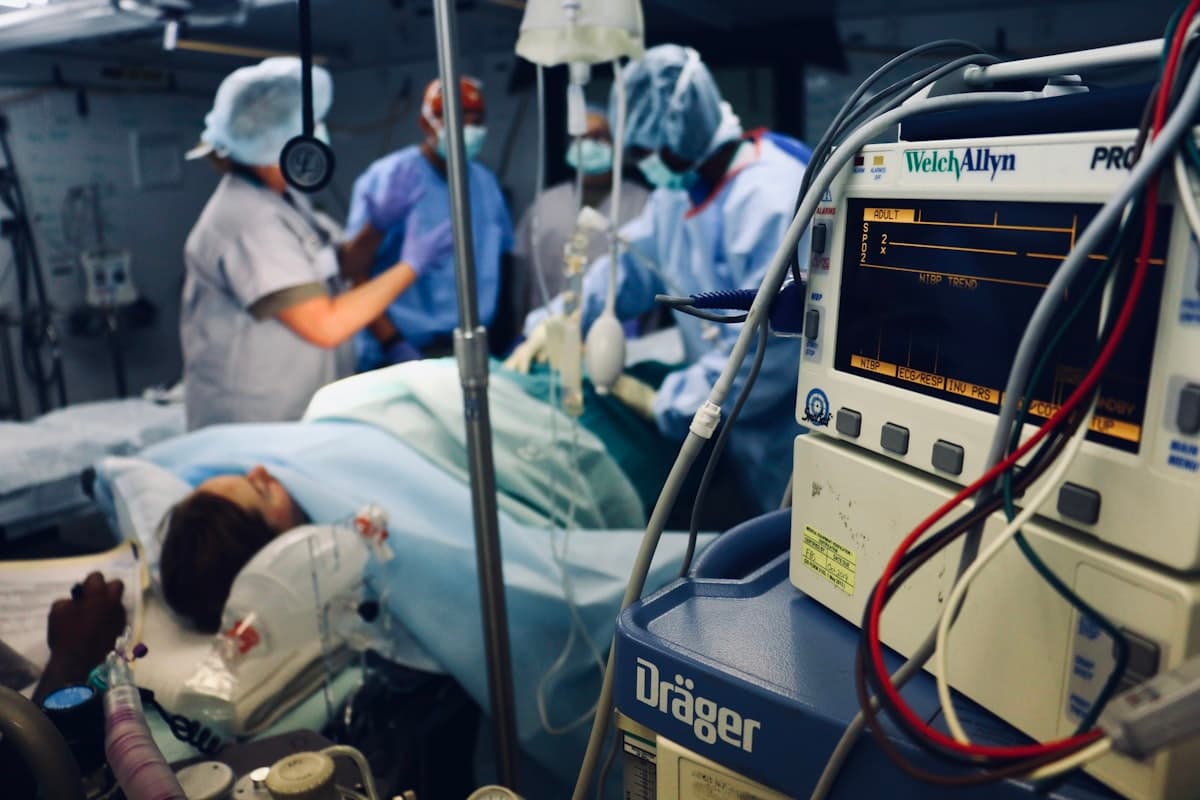
RYGB is performed laparoscopically under general anaesthesia through five to six small incisions. The gastric pouch is fashioned with a linear stapler. The Roux limb of jejunum is measured (typically 75–150 cm for weight loss; 150–200 cm for super-obesity or metabolic disease) and anastomosed to the pouch. The biliopancreatic limb is connected to the alimentary limb at a second anastomosis site. The entire procedure takes approximately 90–150 minutes. Intraoperative leak testing with methylene blue or air ensures anastomotic integrity before closure.
Who Needs Gastric Bypass?
RYGB is particularly beneficial for patients with: BMI ≥ 40 (or ≥ 35 with comorbidities); type 2 diabetes who wish to maximise metabolic remission; severe gastro-oesophageal reflux disease (GERD) that contraindicates sleeve gastrectomy; or patients who have experienced inadequate weight loss or weight regain after a prior sleeve gastrectomy.
Recovery & Aftercare
Hospital stay is two to three days. The same staged dietary progression as sleeve gastrectomy applies — liquids advancing to solids over six weeks. Lifelong vitamin supplementation is mandatory: multivitamin, calcium citrate (not carbonate), vitamin D3, vitamin B12 (sublingual or injected), and iron. Blood tests are recommended every three to six months. Most patients return to work in two to three weeks. Expected weight loss is 70–80 % of excess body weight at twelve months, with maintenance of 65–70 % at five years with good dietary adherence. Turkare coordinates ongoing nutritional monitoring and metabolic follow-up.
Risks & Success Rates
RYGB has a 30-day mortality rate of approximately 0.1–0.3 %. Key complications include anastomotic leak (1–2 %), internal hernia (1–3 % long-term), marginal ulcer (1–4 %), dumping syndrome (15–20 %, usually manageable), and nutritional deficiencies if supplementation is inadequate. Despite a slightly higher surgical complexity than sleeve, long-term outcomes for weight maintenance and metabolic improvement make RYGB the preferred choice for many patients.
Why Turkey & Turkare?
Turkish bariatric surgeons who perform RYGB typically have subspecialty training and contribute to international bariatric registries. Laparoscopic RYGB packages in Turkey are all-inclusive and start at $5,500 — compared to $20,000–$35,000 in Western Europe and the United States. Turkare's bariatric coordinators guide patients from initial consultation through the full post-operative period, including nutrition coaching, support group access, and 12-month metabolic monitoring.
Frequently asked questions
Is gastric bypass better than sleeve gastrectomy for weight loss?
Gastric bypass typically achieves greater excess weight loss (70–80 % vs 60–70 %) and higher rates of type 2 diabetes remission. The best procedure depends on individual factors including BMI, comorbidities, and preferences — your Turkare consultant will help you decide.
Will my type 2 diabetes improve after gastric bypass?
Up to 80 % of type 2 diabetic patients achieve complete remission after gastric bypass, often within days of surgery and before significant weight loss. This metabolic effect is one of the strongest arguments for choosing bypass over sleeve.
What is dumping syndrome?
Dumping syndrome occurs when food moves too quickly from the pouch into the small intestine, causing nausea, sweating, dizziness, and diarrhoea. It affects 15–20 % of RYGB patients and is usually managed with dietary changes (avoiding high-sugar, high-fat foods).
Why must I take calcium citrate instead of calcium carbonate after bypass?
Calcium carbonate requires stomach acid for absorption. After bypass, the stomach acid-producing segment is bypassed, so calcium citrate — which is absorbed independently of acid — must be used.
Can I drink alcohol after gastric bypass?
Alcohol must be avoided for at least one year after surgery. After bypass, alcohol is absorbed much faster and reaches higher blood levels. Long-term alcohol use disorder is a recognised risk after RYGB and patients should be counselled accordingly.
Get a written quote for this procedure
One coordinator, one price, start to finish.