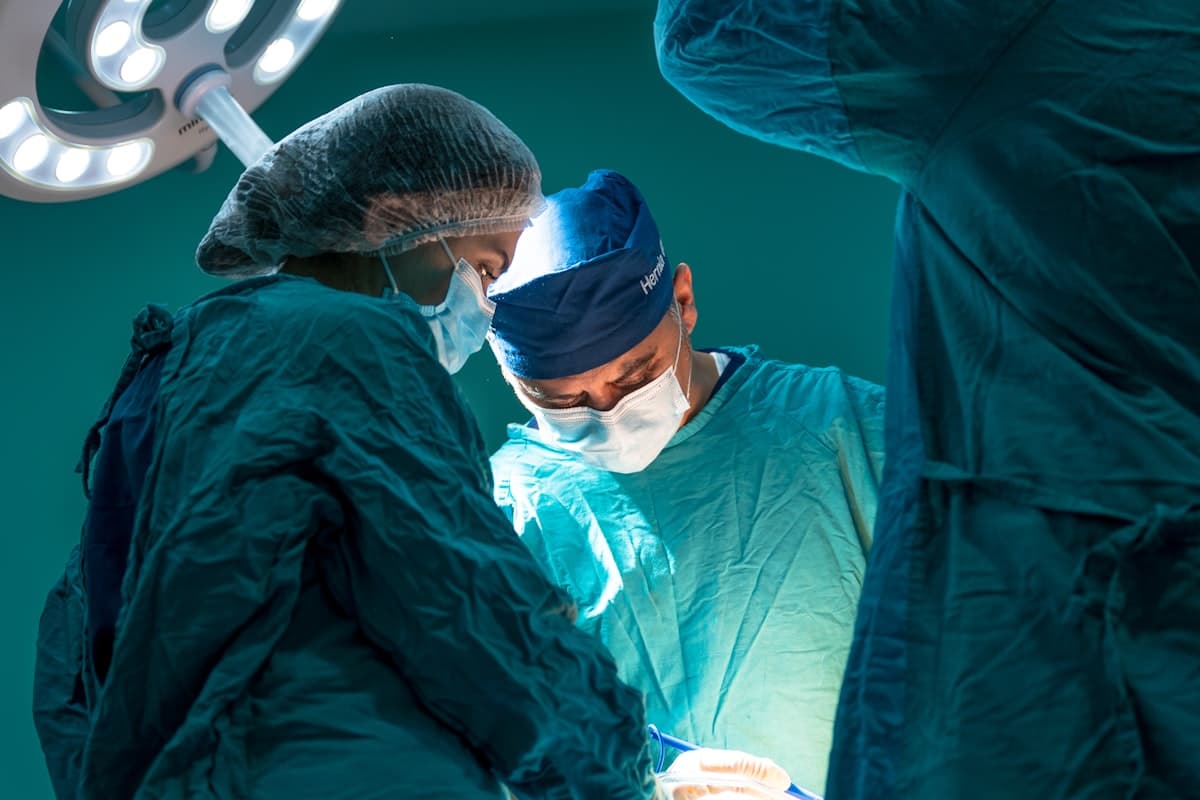
Sleeve Gastrectomy (Gastric Sleeve) in Turkey
Laparoscopic sleeve gastrectomy in Turkey is a proven weight-loss surgery offering significant, sustained obesity reduction — with expert bariatric surgeons, all-inclusive packages, and international-standard care.
Obesity is a chronic metabolic disease that increases the risk of type 2 diabetes, hypertension, cardiovascular disease, sleep apnoea, and certain cancers. When lifestyle modifications and medical treatment fail to produce meaningful, sustained weight loss, bariatric surgery offers the most effective long-term solution. Sleeve gastrectomy — the most commonly performed weight-loss procedure globally — is available in Turkey at world-class quality and a fraction of European or American costs.
What is Sleeve Gastrectomy?
Sleeve gastrectomy (also called vertical sleeve gastrectomy or gastric sleeve) is a laparoscopic procedure in which approximately 75–80 % of the stomach is removed along the greater curvature, leaving a narrow, banana-shaped gastric "sleeve." This dramatically reduces stomach capacity from approximately 1.5 litres to 80–150 ml. Beyond mechanical restriction, sleeve gastrectomy reduces production of ghrelin — the hunger hormone — resulting in significantly diminished appetite. Unlike gastric bypass, the pylorus and small intestine are not altered, making it a simpler procedure with a favourable safety profile.
How is it Performed?
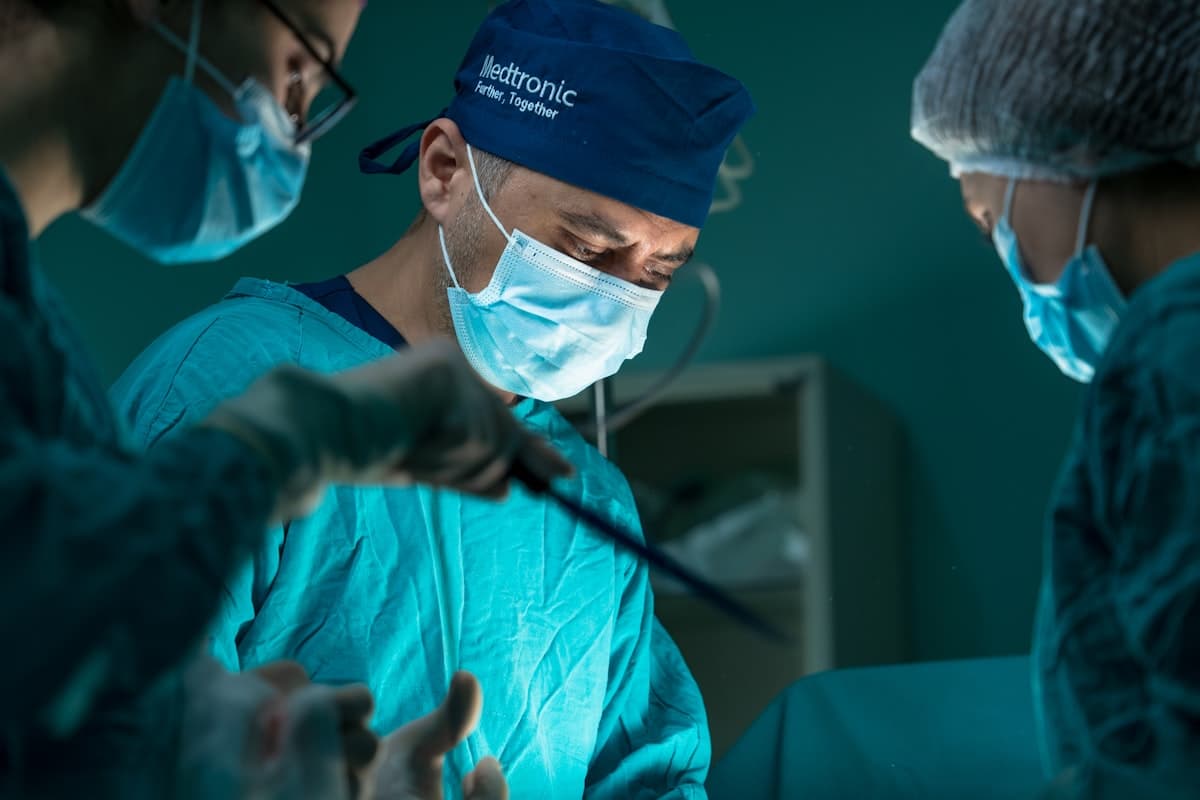
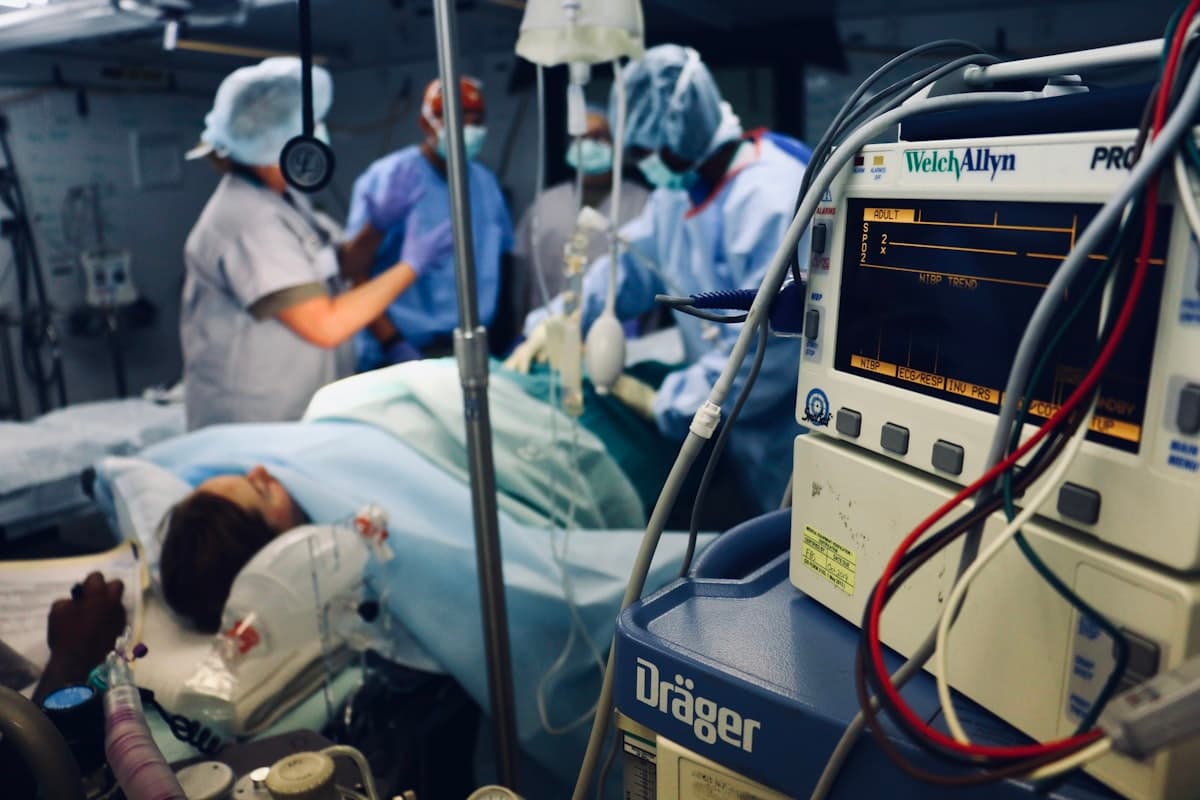
The procedure is performed laparoscopically (keyhole surgery) under general anaesthesia. Five small incisions (5–12 mm) allow insertion of a camera and specialised instruments. A sizing bougie (a calibration tube) is placed inside the stomach to guide the stapler and ensure a consistent sleeve diameter. The greater curvature is divided and the excised stomach is removed through one of the port sites. The staple line is typically oversewn or reinforced with buttress material to minimise the risk of leak. The entire procedure takes approximately 60–90 minutes.
Who Needs Sleeve Gastrectomy?
Sleeve gastrectomy is indicated for patients with a BMI of 40 or above (morbid obesity), or BMI of 35–39.9 with one or more obesity-related comorbidities (type 2 diabetes, hypertension, obstructive sleep apnoea, severe joint disease). Patients who have tried and failed other weight-loss strategies are considered after comprehensive medical and psychological evaluation.
Recovery & Aftercare
Most patients are discharged within one to two days. A staged diet progression begins with clear liquids, advancing to pureed, soft, and finally solid foods over four to six weeks. Regular protein intake (at least 60–80 g/day) is critical for muscle preservation. Daily vitamin and mineral supplementation (multivitamin, calcium, vitamin D, vitamin B12, iron) is lifelong. Most patients return to light activity within one to two weeks and exercise at six weeks. Expected weight loss is 60–70 % of excess body weight at twelve months. Turkare coordinates long-term nutritional follow-up with dietitians and bariatric physicians.
Risks & Success Rates
Sleeve gastrectomy carries a 30-day mortality rate below 0.1 % in experienced centres. Staple-line leak (0.5–2 %) is the most serious early complication, managed with endoscopic stenting or reoperation. Gastro-oesophageal reflux (GERD) can worsen in some patients post-sleeve. Long-term complications include sleeve dilation and weight regain (~20–30 % at five years). Turkish bariatric centres participating in international registries report outcomes comparable to US and European centres.
Why Turkey & Turkare?
Turkey has become one of the world's leading bariatric surgery destinations, with dozens of JCI-accredited centres and surgeons who perform high volumes — often 500+ procedures per year. All-inclusive sleeve gastrectomy packages typically include surgery, anaesthesia, two-night hospital stay, pre-operative blood tests, post-operative medication, and hotel accommodation for a companion. Pricing starts at $3,500 compared to $12,000–$20,000 in the UK or USA. Turkare provides full pre- and post-operative support including dietary counselling, psychological support access, and twelve-month follow-up coordination.
Frequently asked questions
How much weight will I lose after sleeve gastrectomy?
Most patients lose 60–70 % of their excess body weight within 12–18 months. For example, if you are 50 kg above your ideal weight, you can expect to lose 30–35 kg.
Is sleeve gastrectomy reversible?
No. Sleeve gastrectomy is a permanent procedure as the removed portion of the stomach cannot be restored. It can, however, be converted to a gastric bypass if needed.
What can I eat after the surgery?
You will follow a staged diet: clear liquids for 1–2 days, then full liquids for 2 weeks, pureed food for 2 weeks, soft food for 2 weeks, and solid food from week 6 onwards. Portion sizes remain small permanently.
Will I need to take vitamins for life?
Yes. A daily regimen of multivitamins, calcium citrate, vitamin D3, vitamin B12, and iron (if needed) is required lifelong to prevent nutritional deficiencies.
How soon can I fly after sleeve gastrectomy?
Most patients can fly home five to seven days after surgery. Compression stockings and in-flight leg exercises are recommended to prevent deep vein thrombosis (DVT).
Get a written quote for this procedure
One coordinator, one price, start to finish.