TAVI (Transcatheter Aortic Valve Implantation) in Turkey
Replace a failing aortic valve without open-heart surgery through TAVI — a minimally invasive catheter-based procedure now available at leading Turkish cardiac centres, with expert teams and significant cost savings.
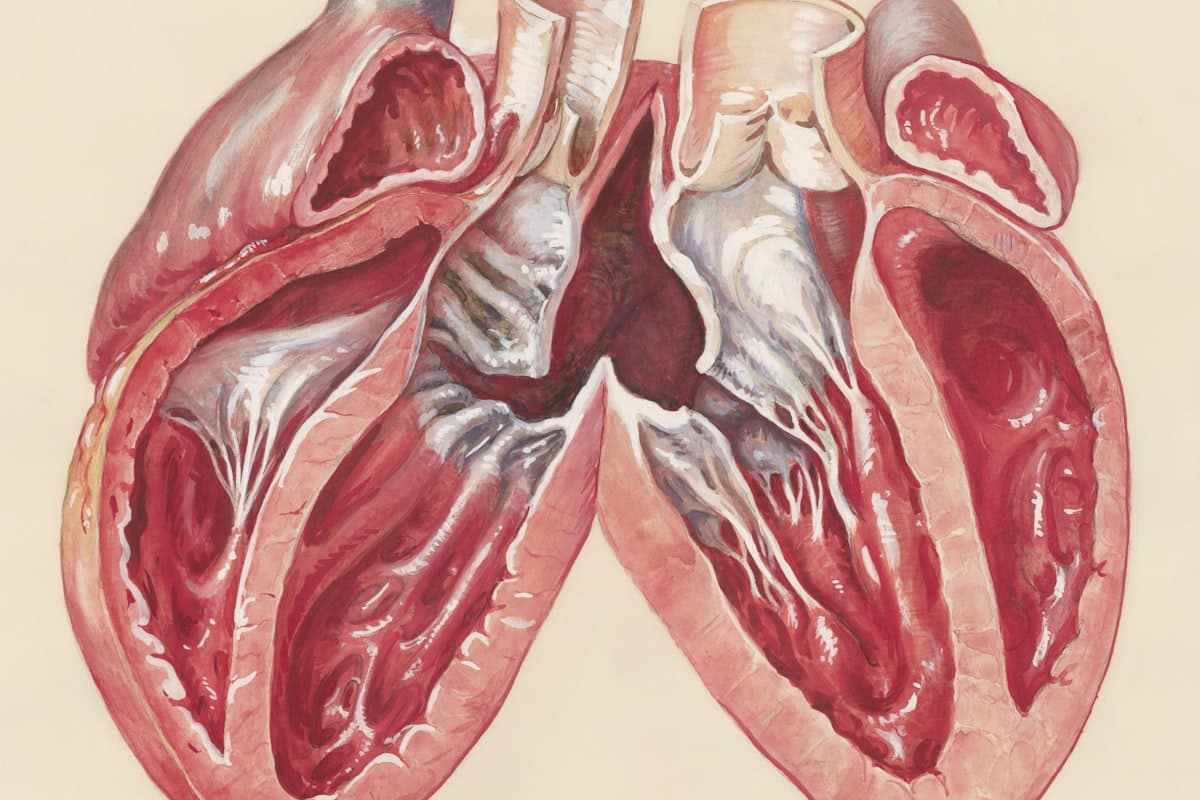
Aortic stenosis — the progressive narrowing of the aortic valve — affects millions of adults worldwide, causing breathlessness, chest pain, and, if left untreated, heart failure. For decades, the only definitive treatment was open-heart surgery. Today, TAVI (Transcatheter Aortic Valve Implantation, also called TAVR) offers a minimally invasive alternative that is transforming outcomes for patients who are at high or intermediate surgical risk. Turkey's leading cardiac centres have mastered this technique, delivering results equivalent to the world's best structural heart programmes — at costs far more accessible to international patients.
What is TAVI?
TAVI is a catheter-based procedure in which a collapsed artificial heart valve — mounted on an expandable metal stent — is threaded through the blood vessels to the heart and deployed precisely at the site of the diseased native aortic valve. The new valve immediately begins to function, pushing the leaflets of the old valve aside. No sternotomy (chest opening) is required. The most common access route is transfemoral — a small puncture in the groin — though trans-apical, trans-subclavian, and transcarotid approaches are also performed where anatomy dictates.
How is it Performed?
The procedure takes place in a hybrid catheterisation laboratory equipped with advanced fluoroscopic and echocardiographic imaging. The team typically includes an interventional cardiologist, a cardiac surgeon, an echocardiographer, and a cardiac anaesthesiologist. Under general anaesthesia or conscious sedation, a catheter is advanced from the femoral artery to the aortic valve. The TAVI valve — either a balloon-expandable device (e.g., Edwards Sapien) or a self-expanding device (e.g., Medtronic Evolut) — is positioned using real-time X-ray and ultrasound guidance and then deployed. The entire procedure lasts 60 to 120 minutes. Most patients are transferred to a step-down ward rather than an intensive care unit, and many are mobilised the next day.
Who is a Candidate?
TAVI is indicated for patients with severe symptomatic aortic stenosis who are at high or intermediate risk for conventional open-heart surgery — typically older adults, those with significant comorbidities such as lung disease, kidney disease, previous cardiac surgery, or frailty. Evidence now also supports TAVI in low-risk patients, particularly when anatomy is favourable for a transfemoral approach. A dedicated structural heart team at Turkare's partner hospitals reviews CT angiography and echocardiography results to confirm suitability, valve sizing, and optimal access route for each patient.
Recovery & Aftercare
One of TAVI's most remarkable advantages is rapid recovery. Most patients are discharged within two to four days. Mobility typically resumes the day after the procedure. Wound care is minimal — usually just a small puncture site in the groin. Antiplatelet therapy (aspirin plus clopidogrel) is prescribed for three to six months; lifelong aspirin continues thereafter. A temporary pacemaker is occasionally required during the procedure, and a small percentage of patients (10–15 %) need a permanent pacemaker afterwards due to conduction system effects — your team will discuss this risk candidly before the procedure. Annual echocardiographic surveillance confirms ongoing valve function.
Why Turkey & Turkare?
Turkey's internationally accredited structural heart programmes have performed TAVI since the procedure was first introduced in Europe, and implanting teams have accumulated large case volumes that correlate directly with improved outcomes. The TAVI valves used — Edwards Sapien and Medtronic Evolut platforms — are identical CE-marked devices to those used in the UK, Germany, and the Netherlands. All-inclusive TAVI packages in Turkey range from $20,000 to $40,000, compared with $50,000–$100,000 in Western Europe and $80,000–$150,000 in the United States. Turkare manages every aspect of your journey: CT angiography review, pre-procedure cardiac optimisation, hospital booking, accommodation, airport transfer, and telehealth follow-up after you return home. Our case managers coordinate in Arabic, English, French, and German.
Frequently asked questions
How much does TAVI cost in Turkey compared with Western countries?
An all-inclusive TAVI package in Turkey costs between $20,000 and $40,000 USD, depending on the valve platform selected and the complexity of the case. Comparable procedures cost $50,000–$100,000 in Western European countries such as Germany or France, and $80,000–$150,000 in the United States. The valves implanted in Turkey are the same CE-marked and FDA-approved devices used globally — the cost difference reflects healthcare system economics, not quality of care.
How long will I need to stay in Turkey for TAVI?
Most TAVI patients plan a stay of 7 to 12 days. This includes 2–3 days of pre-procedural evaluation (CT angiography, echocardiography, blood tests, and cardiologist review), the procedure itself, 2–4 days of hospital observation, and a final outpatient cardiology review before departure. Transfemoral TAVI patients often feel well enough to explore Istanbul before flying home.
What diagnostic tests are needed before TAVI?
The most important pre-procedural test is a cardiac CT angiogram (CCTA) of the aortic root and peripheral vasculature, which the structural heart team uses to measure valve dimensions and plan the access route. A recent echocardiogram confirming the severity of aortic stenosis is also required, along with standard bloods (renal function, haematology, coagulation), ECG, and chest X-ray. If you have had these tests in your home country, Turkare can arrange a remote review before your travel date to confirm suitability and avoid duplicate testing.
What is the risk of needing a permanent pacemaker after TAVI?
The need for a permanent pacemaker after TAVI occurs in approximately 10–15 % of patients, varying with valve type and individual anatomy — self-expanding valves (Evolut) carry a slightly higher pacemaker rate than balloon-expandable valves (Sapien). Your Turkish structural heart team will review your pre-procedural ECG and CT to estimate your individual risk. If a pacemaker is required, it can typically be implanted during the same hospital stay with no significant impact on overall recovery or length of stay.
What medications will I need long-term after TAVI?
The standard regimen after transfemoral TAVI includes dual antiplatelet therapy — aspirin 100 mg and clopidogrel 75 mg daily — for three to six months, followed by lifelong aspirin. If you have atrial fibrillation, oral anticoagulation (typically a direct oral anticoagulant) replaces antiplatelet therapy. Existing heart failure medications, antihypertensives, and statins are continued. Annual echocardiography monitors valve integrity. Turkare provides a bilingual discharge medication summary and a handover letter for your cardiologist at home.
Get a written quote for this procedure
One coordinator, one price, start to finish.