Heart Valve Repair & Replacement in Turkey
Restore normal heart valve function through surgical repair or replacement in Turkey — experienced cardiac surgeons, advanced valve technologies, and costs significantly lower than in Europe or the US.
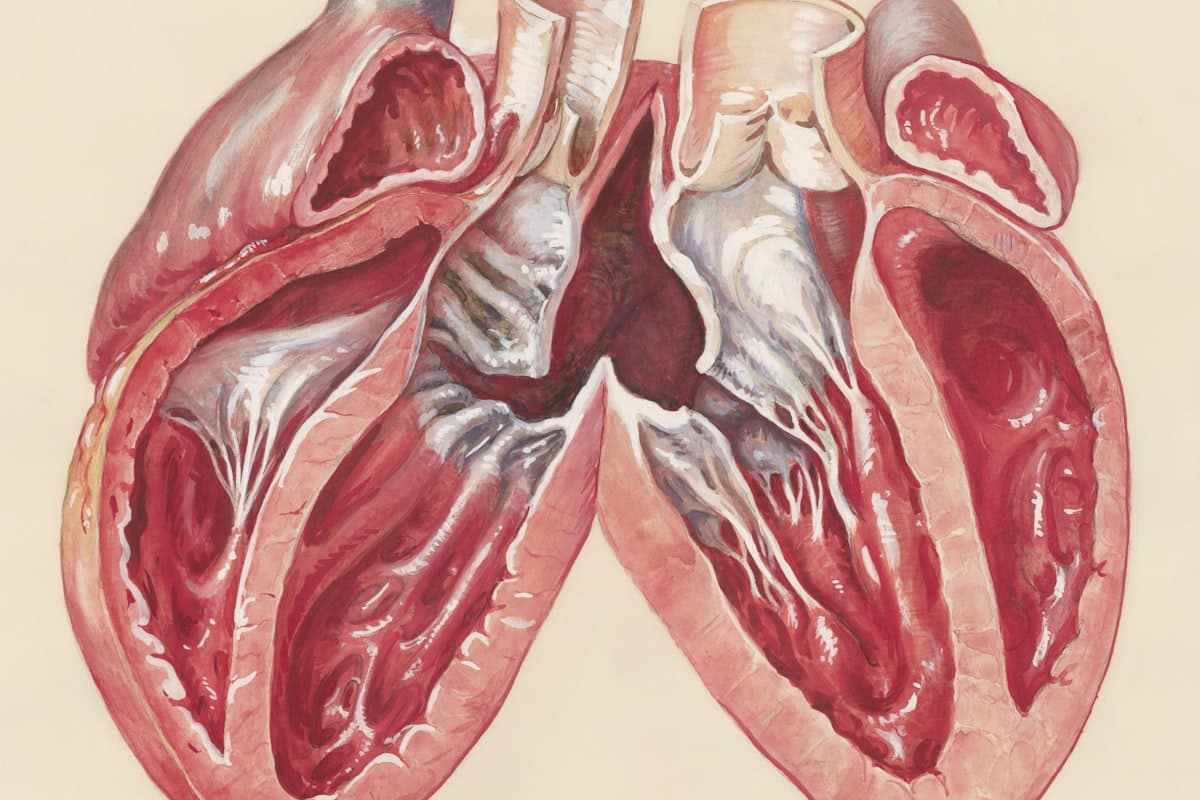
The human heart has four valves that regulate blood flow through its chambers. When disease or congenital defects cause a valve to leak (regurgitation) or narrow (stenosis), the heart must work harder to compensate — progressively weakening over time. Surgical heart valve repair or replacement restores normal haemodynamics and protects cardiac function before irreversible damage occurs. Turkey's internationally accredited cardiac centres offer the full spectrum of valve procedures, from minimally invasive repairs to complex multi-valve operations, performed by surgeons with extensive international training.
What is Heart Valve Repair & Replacement?
Valve repair preserves the patient's own valve by reshaping, reinforcing, or reconstructing its components — leaflets, chordae tendineae, and annulus. Repair is the preferred approach for mitral valve disease in particular, as it avoids the need for lifelong anticoagulation and offers superior long-term durability. When repair is not feasible — due to extensive calcification, rheumatic scarring, or complex anatomy — the valve is replaced with a prosthesis. Two main prosthetic valve types are available: mechanical valves (durable, lasting decades, but requiring lifelong warfarin anticoagulation) and bioprosthetic (tissue) valves (do not require long-term anticoagulation but have a lifespan of 15–25 years, after which re-intervention may be needed). The choice depends on the patient's age, lifestyle, and ability to manage anticoagulation safely.
How is it Performed?
Conventional heart valve surgery is performed on cardiopulmonary bypass (heart-lung machine) through a median sternotomy. Increasingly, minimally invasive approaches — including partial upper sternotomy, right mini-thoracotomy, and fully endoscopic or robotic-assisted techniques — are offered at leading Turkish centres for suitable patients, reducing blood loss, hospital stay, and recovery time. Intraoperative transoesophageal echocardiography (TOE) guides valve repair and confirms the result before the chest is closed. Complex cases — including concomitant CABG, aortic root replacement (Bentall procedure), or repair of multiple valves — are handled routinely by senior surgical teams at Turkare's partner hospitals.
Who is a Candidate?
Surgical valve intervention is recommended when valve disease becomes severe and symptomatic — causing breathlessness, fatigue, reduced exercise tolerance, or heart failure — or when echocardiography shows progressive deterioration of heart chamber dimensions or function, even in asymptomatic patients. Rheumatic heart disease (particularly mitral stenosis and mitral regurgitation) is common in patients from the Middle East and Africa and responds well to surgical repair or replacement. Aortic stenosis in elderly patients is increasingly managed with TAVI (see our separate article), while aortic regurgitation and mitral valve disease in younger patients generally favour open surgery.
Recovery & Aftercare
Following valve surgery, patients spend 24 to 48 hours in the cardiac intensive care unit before transferring to a step-down ward. Total hospital stay is typically 7 to 10 days. Sternal healing takes six to eight weeks; lifting restrictions apply during this period. For patients who have received a mechanical valve, warfarin anticoagulation is initiated in hospital and dose-adjusted using INR monitoring — Turkare provides guidance on INR testing facilities in your home country. Bioprosthetic valve recipients require only three to six months of anticoagulation. Cardiac rehabilitation begins within two weeks of discharge and significantly improves exercise capacity and quality of life. Teleconsultation with your Turkish cardiac surgeon is available at four and twelve weeks post-discharge, with annual echocardiography thereafter to monitor valve function.
Why Turkey & Turkare?
Cardiac surgery centres in Istanbul, Ankara, and Izmir perform hundreds of valve procedures each year. Senior surgeons have trained at leading institutions in Germany, France, the UK, and the United States, and bring that expertise back to Turkish patients and international visitors alike. The prosthetic valves used — St. Jude Medical, On-X, Edwards Perimount, Sorin Perceval — are identical to those implanted in Europe and North America. All-inclusive heart valve surgery packages in Turkey cost between $18,000 and $35,000, compared with $50,000–$90,000 in the UK private sector and $80,000–$200,000 in the United States. Turkare handles pre-operative cardiac optimisation, specialist selection, hospital booking, accommodation, airport transfers, interpreter services, and post-discharge case management — so that you and your family can focus entirely on recovery.
Frequently asked questions
How much does heart valve surgery cost in Turkey compared with Europe or the US?
All-inclusive heart valve repair or replacement packages in Turkey cost between $18,000 and $35,000 USD. This covers cardiothoracic surgeon and anaesthesiologist fees, the prosthetic valve implant, cardiopulmonary bypass, ICU stay, ward accommodation (7–10 days), and standard post-operative medications. The equivalent procedure costs $50,000–$90,000 in the UK private sector and $80,000–$200,000 in the United States — with the prosthetic valve alone carrying a list price of $5,000–$15,000 in Western markets. Turkey offers the same valves (Edwards, St. Jude, Sorin) at dramatically lower procedural costs.
Should I choose a mechanical valve or a tissue (bioprosthetic) valve?
The choice depends on your age, lifestyle, and willingness to take warfarin long-term. Mechanical valves are extremely durable and may last a lifetime, but require daily warfarin with regular INR blood tests and carry a small but ongoing bleeding risk. Tissue (bioprosthetic) valves do not require long-term anticoagulation — ideal for patients who travel frequently, live in areas without reliable anticoagulation monitoring, or have occupations or lifestyles that make bleeding risky — but typically last 15–25 years before re-intervention is needed. For patients under 60 with a mechanical valve-suitable anatomy, mechanical valves are often preferred; for patients over 65–70, tissue valves are frequently recommended. Your Turkish cardiac surgeon will review your full clinical picture and discuss which option best suits your individual circumstances.
How long will I need to stay in Turkey for valve surgery?
Plan for a stay of 14 to 21 days in Turkey. This includes 2–3 days of pre-operative assessment (echocardiography, cardiac CT or catheterisation, blood tests, anaesthesia evaluation), the surgery and ICU stay, ward recovery (7–10 days), and a final surgical review and wound check before you are cleared to fly. Long-haul flights are generally safe after 14 days for uncomplicated cases. If minimally invasive valve surgery is performed, some patients are ready to fly after 10–12 days.
What pre-operative investigations do I need to bring or arrange?
The most important documents are a recent transthoracic echocardiogram (TTE) with detailed valve measurements and a full cardiologist report, ideally within the past three months. Coronary angiography is typically required in patients over 50 or those with cardiac risk factors to exclude coexisting coronary artery disease before opening the chest. Additionally, chest CT, ECG, full blood count, renal and liver function, coagulation screen, and dental clearance (to rule out oral infection before valve implantation) are needed. The Turkare cardiology team reviews your documents remotely to confirm suitability and identify any gaps before you travel.
What long-term monitoring will I need after heart valve surgery?
After valve surgery, lifelong cardiac follow-up is essential. Annual transthoracic echocardiography assesses valve function, heart chamber dimensions, and overall cardiac performance. Patients with mechanical valves need regular INR monitoring (initially weekly, then monthly once stable) to maintain warfarin in the therapeutic range (INR 2.5–3.5 for mechanical mitral valves, 2.0–3.0 for mechanical aortic valves). Bioprosthetic valve recipients require anticoagulation for only three to six months post-operatively. All valve patients need antibiotic prophylaxis before dental procedures to prevent infective endocarditis — a crucial point that your Turkish team will explain in detail at discharge. Turkare coordinates a structured follow-up schedule and provides a bilingual discharge letter summarising your surgery and ongoing care requirements for your cardiologist at home.
Get a written quote for this procedure
One coordinator, one price, start to finish.