Coronary Artery Bypass Graft (CABG) in Turkey
Restore healthy blood flow to your heart with CABG surgery performed by leading Turkish cardiac surgeons — at a fraction of Western costs and with world-class postoperative care.
Coronary artery disease (CAD) is the leading cause of death worldwide, yet for many patients it is highly treatable. When blockages are too extensive for stenting alone, coronary artery bypass graft surgery — commonly known as CABG or heart bypass — restores life-sustaining blood flow to the heart muscle. Turkey has established itself as a premier destination for CABG, combining surgical expertise on par with leading European centres with costs that are 60–75 % lower.
What is Coronary Artery Bypass Graft?
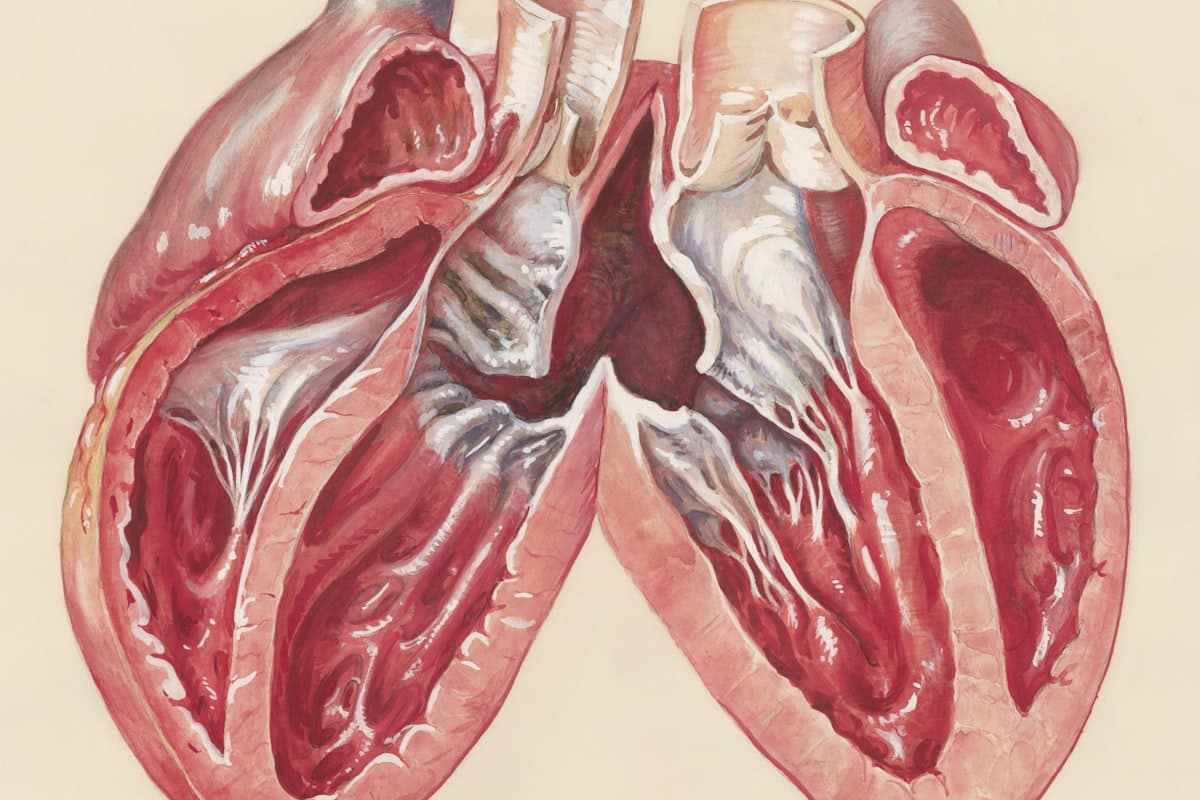
CABG is an open-heart procedure in which a healthy blood vessel — harvested from the leg (saphenous vein), arm (radial artery), or chest wall (internal mammary artery) — is grafted to reroute blood around a blocked or narrowed coronary artery. The graft creates a detour that bypasses the obstruction, delivering oxygenated blood directly to the heart muscle. Depending on how many coronary arteries are involved, a patient may undergo a single, double, triple, or quadruple bypass.
How is it Performed?
The operation is performed under general anaesthesia, typically lasting three to six hours. In the conventional approach, the heart is temporarily stopped and a heart-lung bypass machine maintains circulation while the surgeon works on a still, bloodless field. Minimally invasive off-pump CABG (beating-heart surgery) is also performed at leading Turkish centres, reducing transfusion requirements and recovery time for suitable candidates. The chest is opened via a median sternotomy; the grafts are harvested simultaneously by a second surgical team. Once all grafts are sutured in place, circulation is restored, the heart restarts, and the chest is closed with sternal wires and sutures.
Who is a Candidate?
CABG is recommended when coronary angiography reveals significant blockages in two or more major coronary arteries — particularly the left main coronary artery — or when stenting is technically unsuitable due to complex lesion anatomy. Patients with reduced heart function (ejection fraction below 35 %), diabetes with multivessel disease, or recurrent symptoms after prior stenting are also strong candidates. A multidisciplinary heart team, including interventional cardiologists and cardiac surgeons, reviews each case individually to determine the most appropriate revascularisation strategy.
Recovery & Aftercare
After surgery, patients are monitored in the cardiac intensive care unit (CICU) for 24 to 48 hours before transferring to a step-down ward. Most patients are discharged within five to seven days. The sternum requires six to eight weeks to heal fully, during which lifting heavy objects is avoided. Cardiac rehabilitation — a structured programme of supervised exercise, dietary counselling, and psychological support — begins within two weeks of discharge and continues for three months. Turkare coordinates supervised rehabilitation at partner facilities in Istanbul, and telehealth check-ins with your cardiac team continue after you return home. Most patients return to desk work within four to six weeks and resume light physical activity within two to three months.
Why Turkey & Turkare?
Turkey's internationally accredited cardiac surgery centres perform thousands of CABG procedures each year, with outcomes that rival the best hospitals in Germany or the United Kingdom. Cardiac surgeons at leading Istanbul hospitals are trained in European and American programmes and maintain active memberships in international cardiothoracic surgery societies. The all-inclusive cost of CABG in Turkey — covering surgeon fees, anaesthesia, hospital stay, ICU, medications, and follow-up — typically falls between $15,000 and $30,000, compared with $80,000–$150,000 in the United States or $40,000–$60,000 in the UK private sector. Turkare provides personalised case management from the moment you share your angiography results: second-opinion review, surgical team selection, visa support, airport transfer, accommodation, and post-discharge teleconsultation in your language.
Frequently asked questions
How does the cost of CABG in Turkey compare with other countries?
An all-inclusive CABG package in Turkey typically costs between $15,000 and $30,000 USD, covering surgery, anaesthesia, ICU stay, ward accommodation, and standard post-operative medications. The same procedure costs $80,000–$150,000 in the United States, $40,000–$60,000 in the UK private sector, and $30,000–$50,000 in Germany. The savings are significant without any compromise on surgical standards — Turkish cardiac centres use the same graft materials, perfusion technology, and monitoring equipment as their Western counterparts.
How long do I need to stay in Turkey after CABG surgery?
We recommend planning a stay of 14 to 18 days in Turkey. This covers pre-operative cardiac evaluation and anaesthesia workup (2–3 days), the surgery and CICU observation (2 days), ward recovery and physiotherapy initiation (5–7 days), and a final cardiology review and wound check before departure. Long-haul flights are generally safe after two weeks, provided blood pressure and rhythm are stable.
What pre-operative tests are required before CABG?
Your surgical team will need a recent coronary angiography report (ideally within the past three months) plus echocardiography, full blood count, renal and liver function tests, coagulation profile, chest X-ray, and ECG. If you have diabetes, recent HbA1c and fasting glucose are also required. Turkare can arrange all pre-operative investigations on arrival in Istanbul, or review results you have already obtained at home to avoid duplication.
Will I need cardiac rehabilitation after bypass surgery?
Yes — cardiac rehabilitation is a medically important part of recovery after CABG and has been shown to reduce the risk of future cardiac events by 25–35 %. In Turkey, Turkare coordinates supervised rehab sessions at partner physiotherapy and cardiology centres during your stay. After you return home, we provide a structured home rehabilitation plan and connect you with a rehabilitation specialist in your country. Video consultations with your Turkish cardiologist continue at 4-week and 12-week intervals.
What long-term medications will I take after CABG?
After CABG, most patients are prescribed dual antiplatelet therapy (aspirin plus clopidogrel or ticagrelor) for 12 months to keep the grafts open, followed by lifelong low-dose aspirin. Statins are prescribed to control cholesterol and stabilise coronary plaques. Beta-blockers and ACE inhibitors or ARBs are commonly added to protect heart function. Blood pressure medications and diabetes control agents are continued as needed. Your Turkish cardiologist will provide a detailed discharge medication plan translated into English (or Arabic), and Turkare will coordinate a handover letter to your home physician.
Get a written quote for this procedure
One coordinator, one price, start to finish.