Kidney Transplant in Turkey
Turkey offers expert kidney transplantation from living related donors, with internationally accredited hospitals, experienced nephrologists, and costs significantly below Western Europe or the US. Learn what to expect at every stage.
What is a Kidney Transplant?
A kidney transplant is a surgical procedure in which a healthy kidney from a living donor is placed into a recipient whose own kidneys have failed or are no longer able to sustain life without dialysis. It is the gold-standard treatment for end-stage renal disease (ESRD), offering recipients superior quality of life, freedom from dialysis, and significantly improved long-term survival compared to remaining on haemodialysis or peritoneal dialysis. Turkey is one of the world's leading destinations for living donor kidney transplantation, with high-volume programmes and outcomes equivalent to the best centres in Europe and the United States.
Turkish law (Law No. 2238) permits living organ donation only between blood relatives up to the fourth degree or spouses, or between individuals with a documented emotional relationship approved by a hospital ethics committee. Commercial kidney donation — commonly called "transplant tourism" — is strictly illegal in Turkey and carries serious criminal penalties. International patients who pursue kidney transplantation in Turkey must arrive with a qualifying related donor.
How is it Performed?
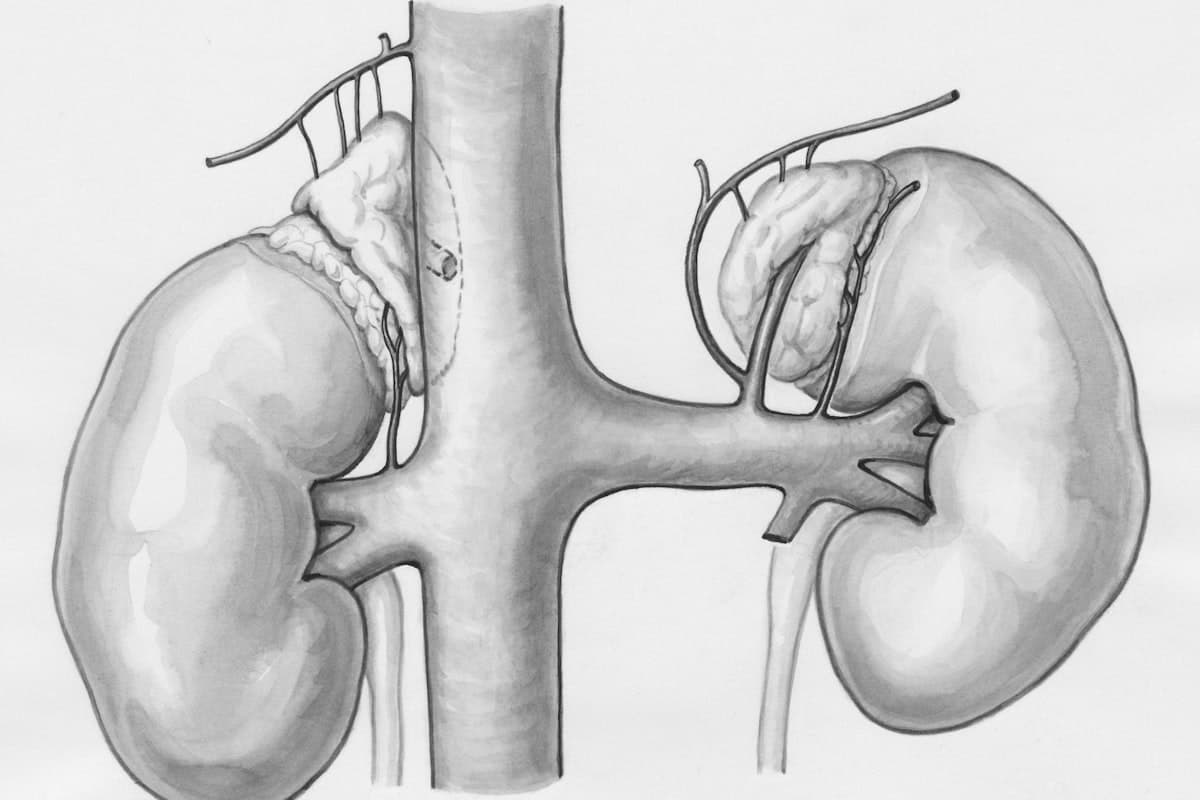
The donor operation — usually a minimally invasive laparoscopic or hand-assisted laparoscopic nephrectomy — removes one kidney through small incisions, with typical operating time of 2–3 hours. Laparoscopic donation causes less post-operative pain, shorter hospital stay (2–3 days), and faster return to normal activity compared to open surgery. The recipient operation is performed through a curved incision in the lower abdomen. The donor kidney is placed in the pelvic fossa (not replacing the existing kidneys, which are usually left in place unless causing specific problems). The renal artery and vein are connected to the iliac vessels, and the ureter is implanted into the bladder. The complete recipient procedure takes approximately 3–4 hours.
Who is a Candidate?
Patients with ESRD from any cause — diabetic nephropathy, hypertensive kidney disease, polycystic kidney disease, glomerulonephritis, IgA nephropathy, or lupus nephritis — may be candidates. Pre-transplant evaluation assesses cardiovascular health (echocardiogram, stress test), infectious disease screening (HIV, hepatitis, CMV, TB), immunological compatibility (ABO blood group and HLA tissue typing, crossmatch testing), and urological anatomy. Recipients with active malignancy, severe uncontrolled cardiovascular disease, or active systemic infection are not candidates until those conditions are resolved.
Recovery & Aftercare
Most kidney transplant recipients are discharged within 5–7 days of surgery. The new kidney often begins functioning immediately or within a few days; some recipients require short-term dialysis support while the kidney "wakes up" (delayed graft function). Patients must remain in Istanbul for at least three to four weeks post-discharge to attend frequent outpatient clinic appointments monitoring creatinine, electrolytes, immunosuppression levels, and urine output. Immunosuppressive therapy — typically tacrolimus, mycophenolate mofetil, and a tapering course of prednisolone — is lifelong. Regular follow-up with a nephrologist at home is essential, and Turkare coordinates the transfer of all transplant records and medication protocols.
Why Turkey & Turkare?
Turkey's transplant infrastructure has grown substantially over the past two decades. Leading Istanbul centres perform kidney transplants routinely and are staffed by nephrologists, transplant surgeons, and immunologists trained at major European and North American institutions. Internationally accredited hospitals provide the same standard of transplant care seen at top programmes globally, including real-time crossmatch testing, advanced HLA typing, and dedicated transplant wards. The all-inclusive cost of kidney transplantation in Turkey — covering evaluation, surgery, hospital stay, and initial post-transplant care — represents exceptional value for international patients. Turkare acts as your medical concierge throughout: navigating the transplant evaluation process, coordinating legal documentation for donor eligibility, selecting the most appropriate hospital for your specific medical profile, and ensuring a seamless return-home plan.
Frequently asked questions
How much does a kidney transplant cost in Turkey compared to other countries?
The all-inclusive cost of a living donor kidney transplant in Turkey ranges from approximately $30,000 to $55,000, covering both donor and recipient surgery, hospital stay, initial immunosuppression, and follow-up during your stay in Istanbul. In the United States, the same procedure costs $150,000–$300,000 or more; in the UK and Germany, costs typically range from £80,000–£120,000 or €80,000–€120,000. The savings in Turkey are the result of lower operational costs within the health system, not a lower quality of care. Turkey employs the same surgical techniques, immunosuppression protocols, and monitoring standards used in leading Western transplant programmes.
How long do we need to stay in Turkey for a kidney transplant?
Plan for a total stay of approximately 6–8 weeks. Pre-operative evaluation — which includes HLA typing, crossmatch testing, cardiac assessment, and legal ethics committee review — takes 7–14 days. Surgery and in-hospital recovery require 5–7 days. After discharge, recipients must attend outpatient appointments two to three times per week for at least four weeks before it is considered safe to travel home. The frequency of monitoring is highest in the first weeks because the risk of acute rejection and infection is greatest at this stage. Donors who underwent laparoscopic nephrectomy can typically travel home within 2–3 weeks.
What blood type and tissue matching is required for a kidney transplant?
ABO blood group compatibility is the primary requirement: the donor and recipient must have compatible blood types following standard transfusion compatibility rules (O is universal donor; AB is universal recipient). Beyond blood group, HLA tissue typing and a crossmatch test are performed. The crossmatch test mixes donor cells with recipient serum to detect pre-formed antibodies that could cause immediate rejection. A negative crossmatch result is required before proceeding. While a perfect HLA match (as seen between identical twins) is ideal, modern immunosuppression enables successful transplantation across partial HLA mismatches. Highly sensitised recipients — those with many pre-formed antibodies from previous transplants, transfusions, or pregnancies — require more detailed immunological assessment.
What immunosuppressive medications will I need after a kidney transplant?
The standard triple-therapy protocol after kidney transplantation combines tacrolimus (a calcineurin inhibitor that suppresses T-cell activation), mycophenolate mofetil (which inhibits lymphocyte proliferation), and prednisolone (a corticosteroid, tapered progressively over the first year). Tacrolimus trough levels are monitored closely with blood tests, typically weekly in the first month and monthly thereafter once stable. Many patients remain on dual therapy (tacrolimus and mycophenolate) long-term once steroids are withdrawn. Adherence is critical — missing doses or stopping medication without medical guidance is the leading cause of late acute rejection and graft loss. Your Turkare-coordinated care plan will include a full medication schedule handed over to your local nephrologist.
What is the long-term prognosis after a kidney transplant?
Living donor kidney transplantation has excellent outcomes. One-year graft survival rates exceed 95% at experienced centres, and five-year graft survival is approximately 85–90%. Many recipients maintain functioning grafts for 15–20 years or more. Long-term risks include chronic rejection (a slow decline in kidney function over years), BK virus nephropathy, and complications of long-term immunosuppression such as increased infection susceptibility, cardiovascular disease, and a modestly elevated risk of certain cancers — all of which are managed with regular monitoring. Compared to remaining on dialysis, a successful kidney transplant reduces mortality risk by approximately 50% and dramatically improves quality of life.
Get a written quote for this procedure
One coordinator, one price, start to finish.