Cornea Transplant in Turkey
Turkey offers expert corneal transplantation — including DALK and DSAEK — for patients with keratoconus, corneal scarring, and endothelial disease. Internationally accredited eye centres in Istanbul provide excellent outcomes at accessible costs.
What is a Cornea Transplant?
A cornea transplant — medically termed keratoplasty — is a surgical procedure that replaces a diseased, scarred, or misshapen cornea with healthy corneal tissue from a donor. The cornea is the clear, dome-shaped front surface of the eye that accounts for approximately two-thirds of the eye's total refractive power; its clarity and curvature are essential for sharp vision. When the cornea becomes opaque from scarring, distorted from conditions such as keratoconus, or compromised in its inner cell layer, vision deteriorates significantly or is lost entirely. Corneal transplantation restores vision by replacing the affected tissue.
Unlike solid organ transplants, corneal transplantation does not require blood group or HLA tissue type matching between donor and recipient. The cornea is an "immune-privileged" tissue — largely shielded from the immune system — which means rejection rates are lower than for other transplanted organs and the procedure can be performed using tissue from deceased donors processed and stored in eye banks. Turkey has a well-established eye bank system and internationally accredited corneal surgery programmes at major ophthalmology centres in Istanbul.
How is it Performed?
Modern corneal surgery has moved away from full-thickness transplants (penetrating keratoplasty or PK) toward selective lamellar techniques that replace only the diseased layer of the cornea, preserving healthy tissue:
**DALK (Deep Anterior Lamellar Keratoplasty):** Used for conditions affecting the corneal stroma (such as keratoconus and stromal scars), DALK replaces the front layers of the cornea while leaving the patient's own healthy inner endothelial layer intact. This significantly reduces the risk of endothelial rejection and provides longer graft survival. A surgical technique called "big bubble" DALK offers the thinnest possible residual host stroma.
**DSAEK (Descemet's Stripping Automated Endothelial Keratoplasty):** Used for endothelial failure conditions such as Fuchs' endothelial dystrophy or pseudophakic bullous keratopathy, DSAEK replaces only the innermost cell layer through a small incision. Recovery of vision is faster than with PK.
**PK (Penetrating Keratoplasty):** Full-thickness corneal replacement, still used for certain severe corneal pathologies where selective lamellar surgery is not feasible.
Who is a Candidate?
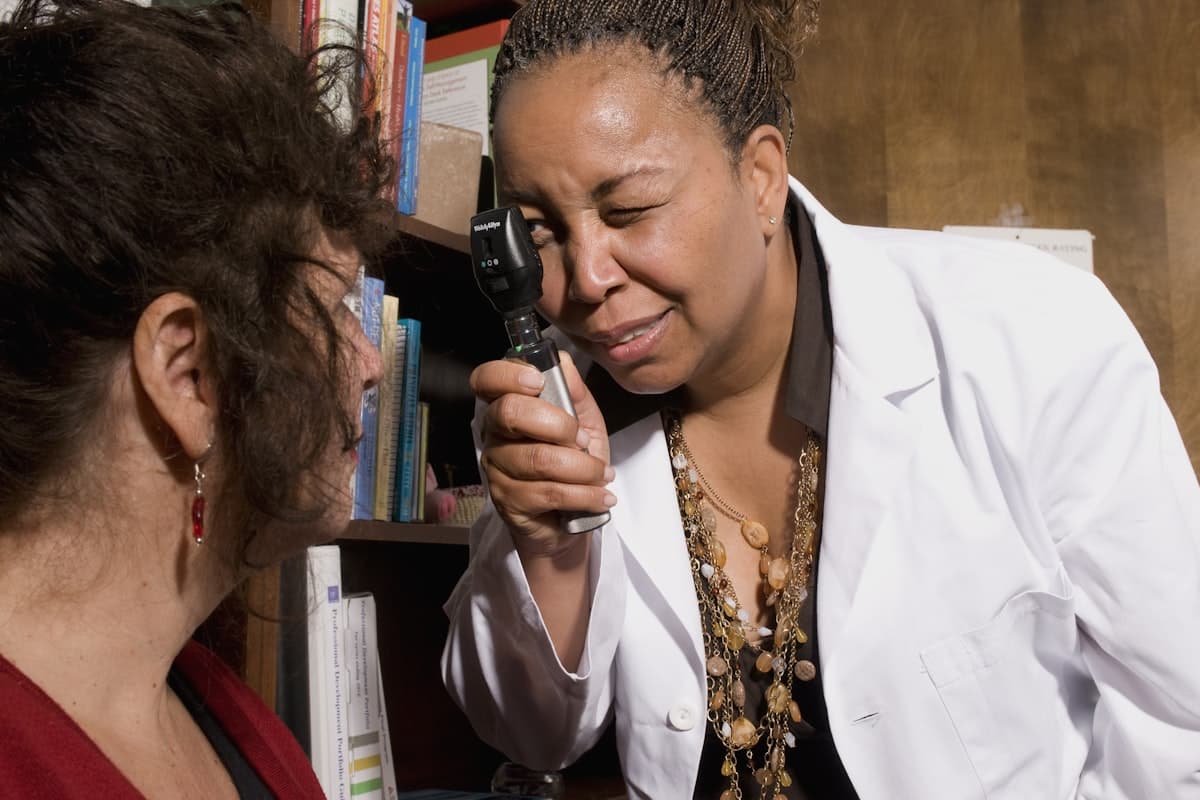
Common indications for corneal transplantation include: keratoconus (progressive thinning and bulging of the cornea), Fuchs' endothelial dystrophy, bullous keratopathy, corneal scarring from infections (herpetic keratitis, bacterial ulcers, trachoma), chemical burns, failed previous corneal grafts, and certain corneal dystrophies. Candidates undergo a full ophthalmological work-up including slit-lamp examination, corneal topography, endothelial cell count, and anterior segment OCT. Patients with active ocular infection or uncontrolled glaucoma must be treated before surgery.
Recovery & Aftercare
Recovery timelines differ by technique. DSAEK patients often notice visual improvement within 1–4 weeks. DALK and PK patients may require several months to a year for full visual rehabilitation, as corneal sutures are left in place for 12–18 months. Topical corticosteroid eye drops are required for at least one year and sometimes indefinitely for PK recipients, gradually tapered under ophthalmological supervision. International patients should remain in Istanbul for 10–14 days after surgery for initial suture assessment and monitoring for early rejection signs (pain, redness, decreased vision). Spectacle or contact lens correction is usually needed after suture removal to refine the final visual outcome.
Why Turkey & Turkare?
Istanbul's leading ophthalmology centres are staffed by fellowship-trained corneal specialists who regularly perform all three principal keratoplasty techniques. Turkey benefits from an established eye bank network supplying quality-controlled donor tissue, enabling prompt surgery without prolonged waiting times for most international patients. The cost of corneal transplantation in Turkey — including surgeon's fee, hospital or surgical centre facility fee, anaesthesia, donor tissue, and initial follow-up — ranges from $3,000 to $7,000, compared to $13,000–$27,000 in the United States. Turkare coordinates your consultation with the most appropriate corneal specialist, assists with pre-operative documentation, arranges accommodation, and ensures your post-operative instructions are clearly communicated to your ophthalmologist at home.
Frequently asked questions
Does a cornea transplant require a living related donor under Turkish law?
No. Corneal tissue is unique in that it can be retrieved from deceased donors and stored in eye banks for several weeks without losing viability. Because the cornea is an immune-privileged tissue, it does not require blood group or HLA tissue type matching, and there are no restrictions requiring a living related donor. Turkey has a functioning eye bank system that supplies donor corneal tissue to transplant centres. International patients do not need to bring a donor — the treating hospital sources the donor tissue through established eye bank channels. Waiting times for donor tissue are generally short, often within days to a few weeks.
How much does a cornea transplant cost in Turkey compared to other countries?
Corneal transplantation in Turkey costs between $3,000 and $7,000 depending on the surgical technique (DALK, DSAEK, or PK), the facility, and the complexity of the case. This compares favourably to costs in the United States ($13,000–$27,000), the United Kingdom (£8,000–£15,000), and Germany (€8,000–€14,000). The Turkish price includes the surgeon's fee, operating facility costs, anaesthesia, donor corneal tissue procurement, and follow-up consultations during your stay. Turkare can provide a detailed, itemised cost estimate once your ophthalmology records have been reviewed.
How long do I need to stay in Turkey after a cornea transplant?
Most international corneal transplant patients should plan to stay in Istanbul for 10–14 days after surgery. The first post-operative visit occurs the day after surgery, with follow-up appointments at day 3–5 and day 10–14 before departure. The treating surgeon will assess suture integrity, intraocular pressure, and early signs of graft rejection at these visits. After returning home, you will need to continue topical corticosteroid drops and attend regular follow-up with your local ophthalmologist — Turkare provides a detailed post-operative protocol and all surgical records for this purpose. A return visit to Istanbul at 12–18 months for suture removal may be recommended for DALK or PK recipients.
What is corneal graft rejection and how is it recognised?
Corneal graft rejection occurs when the recipient's immune system recognises the donor tissue as foreign and mounts an inflammatory response. The classic warning signs — often summarised by the acronym RSVP — are Redness, Sensitivity to light, decreased Vision, and Pain. Rejection can occur at any time after transplantation but is most common in the first two years. If you notice any of these symptoms, you must contact your ophthalmologist immediately, as prompt treatment with intensive topical corticosteroid drops (and sometimes systemic steroids) can reverse most episodes if treated within hours to days. Risk of rejection is lower with DALK compared to PK, because the endothelial layer — the primary target of rejection — is the patient's own. Rejection of the endothelial layer in DSAEK or PK is more serious and must be treated urgently.
What is the long-term outlook after a cornea transplant, and will I need glasses or contact lenses?
Long-term outcomes for corneal transplantation are generally very good. Five-year graft survival rates exceed 90% for DSAEK and DALK in appropriate candidates, and 70–80% for PK. Vision quality depends on the underlying diagnosis, the surgical technique, and the regularity of the resulting corneal surface after suture removal. Many patients achieve good unaided or spectacle-corrected vision; others may require rigid gas-permeable contact lenses to correct residual irregular astigmatism, particularly after PK. Patients with keratoconus often achieve their best-ever visual acuity after successful DALK with contact lens correction. Topical steroid use is gradually reduced over months to years under ophthalmological supervision, and most patients can eventually discontinue drops entirely, though some PK recipients require lifelong low-dose steroids to maintain graft clarity.
Get a written quote for this procedure
One coordinator, one price, start to finish.