CAR-T Cell Therapy in Turkey
CAR-T cell therapy represents a landmark in personalised cancer immunotherapy — engineering a patient's own immune cells to recognise and destroy cancer. Turkey's leading haematology and oncology centres now offer approved CAR-T therapies, bringing this life-changing treatment within reach of international patients.
CAR-T cell therapy is among the most significant advances in oncology of the past decade. By genetically reprogramming a patient's own T-lymphocytes to carry a chimeric antigen receptor (CAR) that targets cancer-specific proteins on tumour cells, this therapy has produced durable remissions — including complete responses — in patients with certain blood cancers who had exhausted all other treatment options. Turkey's internationally accredited haematology and bone marrow transplant centres now administer commercially approved CAR-T products, offering this transformative therapy to international patients at significantly lower total costs than those incurred in the United States or Western Europe.
What is CAR-T Cell Therapy?
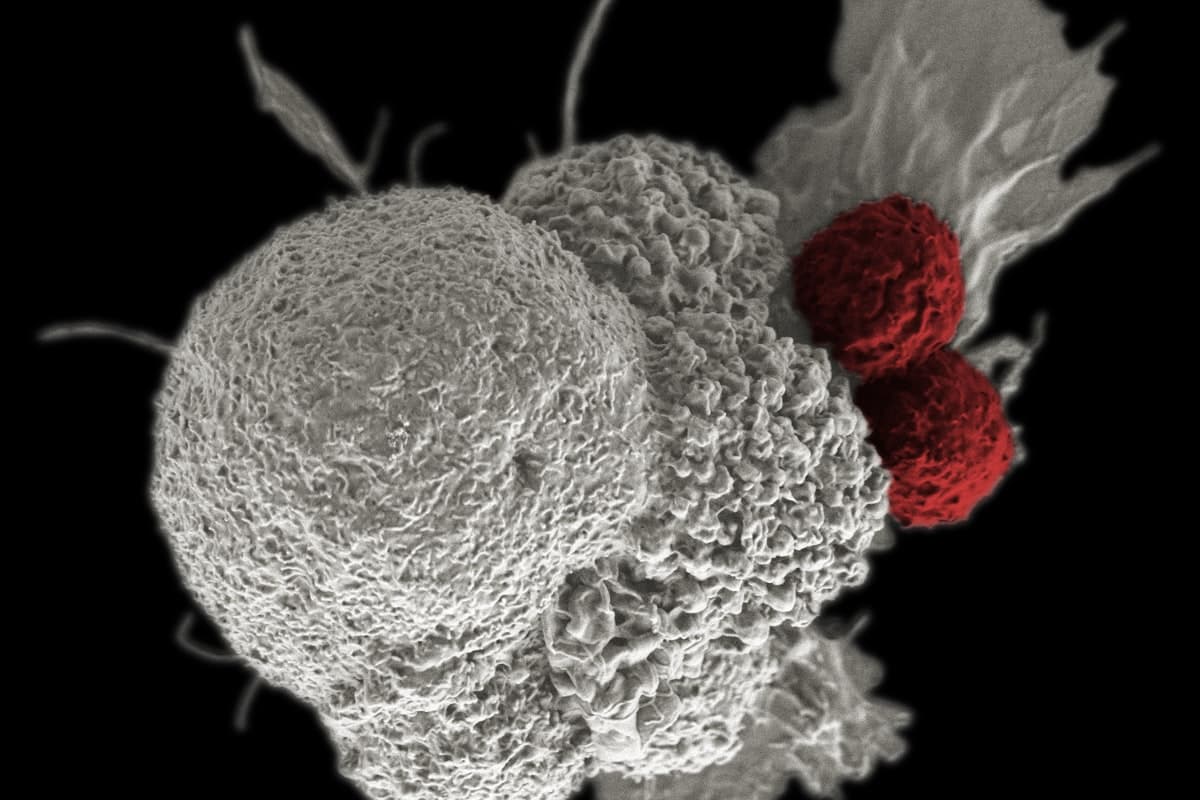
CAR-T cell therapy is a form of adoptive cell therapy in which a patient's T-cells are extracted, genetically modified in a laboratory to express a chimeric antigen receptor targeting a tumour antigen (most commonly CD19 for B-cell malignancies or BCMA for multiple myeloma), and then expanded to hundreds of millions of cells before being infused back into the patient. The CAR enables the modified T-cells to identify and bind to cancer cells expressing the target antigen, triggering a potent immune response that kills the tumour cells. Unlike chemotherapy, which broadly damages rapidly dividing cells, CAR-T cells are exquisitely specific to their target and can persist in the body for months or years, providing ongoing immune surveillance against relapse.
How is it Performed?
CAR-T therapy involves several carefully coordinated phases. In the leukapheresis phase, T-cells are collected from the patient's blood through a process similar to dialysis — taking approximately three to four hours with no hospitalisation required. The cells are then sent to the manufacturing facility, where they are genetically modified and expanded over approximately three to four weeks. During this manufacturing window, patients typically receive bridging chemotherapy to control disease. Once the CAR-T cells are ready and released after quality control, the patient undergoes a short course of lymphodepleting chemotherapy (typically fludarabine and cyclophosphamide over three to five days) to create space in the immune system. The CAR-T cells are then infused over a short period (usually 30 minutes). Patients are hospitalised for two to four weeks after infusion for close monitoring.
Who is a Candidate?
Currently approved CAR-T therapies in Turkey target specific haematological malignancies. Indications include relapsed or refractory large B-cell lymphoma (including diffuse large B-cell lymphoma, DLBCL), follicular lymphoma, mantle cell lymphoma, B-cell acute lymphoblastic leukaemia (B-ALL) in children and young adults, and multiple myeloma after at least two prior lines of therapy. Patients must have adequate organ function (cardiac, hepatic, renal, pulmonary), an ECOG performance status of 0–2, and no active uncontrolled infection. CNS involvement with active disease is generally a contraindication for some products. The oncology team will conduct a thorough eligibility assessment — including bone marrow biopsy, PET-CT staging, and organ function testing — before CAR-T is recommended.
Recovery & Aftercare
The most significant potential complication of CAR-T therapy is cytokine release syndrome (CRS) — a systemic inflammatory response caused by the massive activation of infused T-cells. CRS can range from mild (flu-like symptoms) to severe (high fever, hypotension, respiratory distress) and is managed with tocilizumab, corticosteroids, and intensive supportive care. Immune effector cell-associated neurotoxicity syndrome (ICANS), characterised by confusion, aphasia, or seizures, may also occur. These side effects are most likely in the first one to two weeks after infusion, which is why patients remain hospitalised during this period. After discharge, patients are monitored twice weekly for the first month, then monthly. Immune recovery takes several months; patients require immunoglobulin replacement and infection prophylaxis during this period. Turkare organises ongoing remote follow-up coordination with your home team.
Why Turkey & Turkare?
Turkey's leading haematology centres — operating within internationally accredited academic medical centres in Istanbul and Ankara — have established CAR-T programmes that meet rigorous global standards for patient selection, toxicity management, and long-term follow-up. The total cost of CAR-T therapy in Turkey, including leukapheresis, cell manufacturing (using the same approved products as in Europe), bridging therapy, lymphodepletion, infusion, hospitalisation, and early follow-up, typically ranges from $60,000 to $120,000. This compares to $400,000–$600,000 in the United States when all associated costs are included. Turkare's experienced medical coordination team guides patients and families through every step of this complex, multi-week process — from initial eligibility review and insurance navigation to leukapheresis scheduling, accommodation during the manufacturing wait, and ongoing post-infusion monitoring support.
Frequently asked questions
How does CAR-T cell therapy cost in Turkey compare to the US or Europe?
The total cost of CAR-T therapy in Turkey — covering leukapheresis, cell manufacturing with an approved product, bridging chemotherapy, lymphodepletion, infusion, and hospitalisation — typically falls between $60,000 and $120,000. In the United States, the drug alone (axicabtagene ciloleucel or tisagenlecleucel) costs $370,000–$475,000 at list price, with total treatment costs including hospitalisation and toxicity management frequently exceeding $500,000. In Germany and the UK, total costs are typically €250,000–€400,000. Turkey's pricing reflects lower institutional and labour costs, not any difference in product quality — the same approved CAR-T products are used.
How long is the full CAR-T treatment timeline, and how much time must I spend in Turkey?
The full CAR-T process takes approximately six to ten weeks from leukapheresis to discharge after infusion. Leukapheresis takes one day. Cell manufacturing requires three to four weeks (during which some patients return home and travel back for infusion, while others remain in Istanbul). Lymphodepleting chemotherapy takes three to five days. Patients are then hospitalised for two to four weeks after infusion for monitoring. In total, plan for a minimum of five to seven weeks in Turkey if staying throughout, or two separate trips of seven to ten days (leukapheresis) and three to five weeks (chemotherapy, infusion, and monitoring). Turkare helps plan the itinerary to suit your circumstances.
What cancers can CAR-T cell therapy treat?
Currently approved CAR-T therapies in Turkey are indicated for relapsed or refractory large B-cell lymphoma (DLBCL and subtypes), follicular lymphoma after two or more prior lines, mantle cell lymphoma, B-cell acute lymphoblastic leukaemia (B-ALL) in patients up to 25 years of age, and relapsed or refractory multiple myeloma after at least two prior therapies. Research is actively expanding CAR-T indications to solid tumours (including lung, ovarian, and glioblastoma), but solid tumour CAR-T remains largely experimental outside clinical trials. If your diagnosis is not on this list, Turkare's team will advise on whether a clinical trial may be available.
What are the risks of CAR-T therapy, and how are they managed?
The two principal risks are cytokine release syndrome (CRS) and immune effector cell-associated neurotoxicity syndrome (ICANS). CRS occurs when the activated CAR-T cells release large amounts of inflammatory cytokines, causing fever, low blood pressure, and in severe cases respiratory distress. It is graded 1–4; severe CRS (grades 3–4) occurs in approximately 10–30% of patients depending on the product and disease type. Tocilizumab (an IL-6 receptor antagonist) is the primary treatment and resolves most cases rapidly. ICANS involves neurological symptoms such as confusion or difficulty speaking; it is treated with corticosteroids. Turkey's CAR-T centres have dedicated haematology intensive care units with 24-hour physician coverage and established toxicity management protocols.
Can I receive follow-up care for CAR-T therapy in my home country after leaving Turkey?
Yes, and Turkare facilitates this actively. Before discharge, your Turkish oncology team prepares a comprehensive handover document detailing the product administered, infusion date and dose, toxicity events and their management, B-cell aplasia status, and a schedule of recommended follow-up tests (complete blood count, immunoglobulin levels, PET-CT at one, three, and six months). This document is shared with your home haematologist. Turkare coordinates telemedicine sessions between the Istanbul team and your home physician for response assessment reviews. If relapse or toxicity concerns arise after you return home, Turkare facilitates urgent specialist consultation with the Turkish team.
Get a written quote for this procedure
One coordinator, one price, start to finish.